Author: Michael T.

  • Brewtiful Machines: A History of Coffee Brewing Technology

    Brewtiful Machines: A History of Coffee Brewing Technology

    Let’s be honest, the only thing more brutal than a Slayer riff is a bad cup of coffee. And for years, the quest for the perfect brew has driven innovation as relentlessly as the pursuit of the ultimate death metal breakdown. So, buckle up, coffee-loving metalheads, because we’re about to delve into the brutal history of coffee brewing technology—a history as twisted and complex as a Meshuggah time signature.

    From Simple Beginnings to Espresso Extravaganza

    Think back to the early days—no fancy gadgets, just simple percolators and drip coffee makers, the coffee equivalent of a three-chord punk song. Effective? Sure. But could they *really* compete with the sonic devastation of a Cannibal Corpse album? Nope. These early methods were primitive, but they laid the foundation for the elaborate coffee rituals we indulge in today. Imagine the sheer ingenuity required to even develop the concept of brewing coffee—true pioneers of the bean!

    The Dawn of Pressure: Espresso’s Rise

    Then came the espresso machine, a true game-changer. The invention of the espresso machine fundamentally altered the landscape of coffee culture—introducing the idea of pressure to the process, resulting in a more concentrated and flavorful beverage. It’s like discovering the power of double bass drumming in death metal—pure sonic mayhem. This wasn’t just about making coffee; it was about creating an *experience*. And speaking of experiences, let’s remember what makes a *great* coffee experience: the right mug. Speaking of which, check out our appo deepo bhava coffee mug—the perfect vessel for your espresso-fueled mayhem.

    The Evolution of Grind Size and Brewing Methods

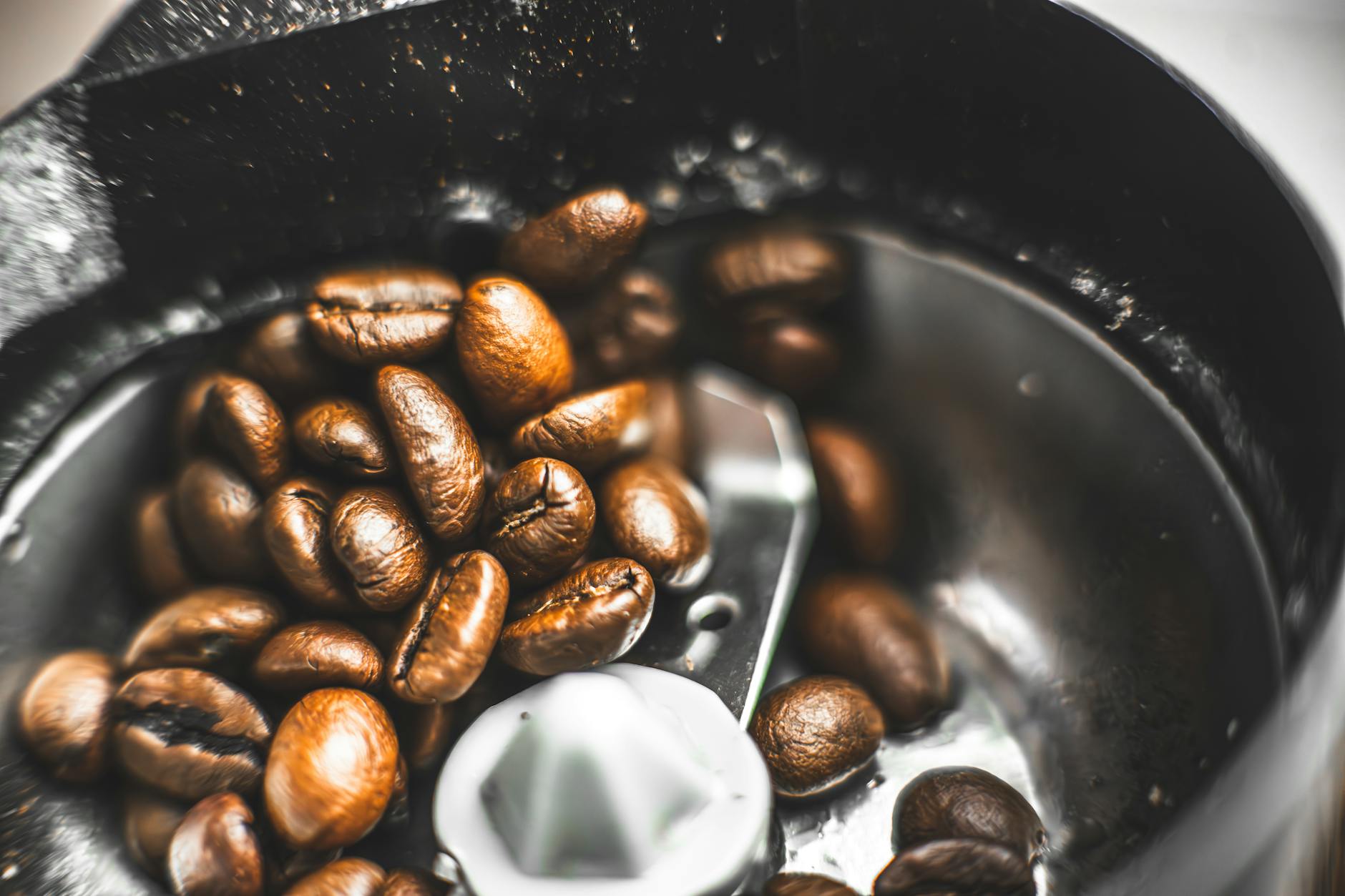
    The grind size, you see, was another crucial factor. From coarse grinds to fine grinds, the consistency of the coffee grounds dramatically affects the brewing process and overall taste. It’s like tuning your guitar—a small adjustment can make all the difference between a killer riff and a total dud. The quest for that *perfect* grind led to the development of sophisticated burr grinders, the precision instruments of the coffee world, a level of detail that would make even the most meticulous metal producer envious.

    Beyond grind size, the actual brewing methods also underwent radical transformations. The rise of pour-over methods, like the Hario V60, showcased a more nuanced approach—like a delicate, melancholic solo amid a brutal metal song—allowing for greater control over variables such as water temperature and flow rate. Each approach demanded skill and precision. It’s a testament to the endless pursuit of perfection, just like bands relentlessly honing their craft to deliver the ultimate auditory assault.

    Modern Marvels and the Future of Brewing

    Today, we have machines that can seemingly do it all, from automatic drip brewers to smart devices that allow you to brew coffee from your phone. This technological advancement has completely reshaped the way we consume and experience coffee. It’s like having a personal army of roadies to set up your coffee before your morning shows.

    And the evolution isn’t over. We’re now seeing innovations like nitrogen-infused cold brew systems and super-automatic espresso machines that almost brew themselves. The future of coffee brewing technology will undoubtedly involve more automation, sustainability and even more ways to fine-tune the coffee process—a relentless march toward ultimate caffeinated perfection, mirroring the ongoing evolution of death metal itself. It’s a constant quest for something better, for something heavier, something more intense. That’s the spirit of DMM.

    But regardless of the brewing method, one thing remains constant: the need for quality beans. Just as a killer metal track needs a solid foundation, your coffee needs top-notch beans. That’s the real foundation of a truly “brewtiful” experience.

    Think about it: from simple percolators to the latest espresso machines, the evolution of coffee brewing has been a testament to humanity’s relentless pursuit of better coffee. It mirrors the relentless pursuit of the perfect riff, the perfect album, the perfect… well, you get the idea. This unending evolution is what truly makes this journey so compelling.

    Now go forth and brew something brutal. Your taste buds (and your soul) will thank you.

    P.S. Don’t forget: appo deepo bhava coffee mug – because even the most advanced brewing tech deserves a worthy vessel.
  • The Caffeine Conundrum: Friend or Foe?

    The Caffeine Conundrum: Friend or Foe?

    Alright, you caffeine-crazed maniacs, let’s get down to brass tacks. That steaming cup of black gold you clutch every morning… is it your best friend or your worst enemy? The answer, as with most things in this chaotic life, is…complicated.

    The Double-Edged Sword of Caffeine

    Caffeine, that glorious stimulant, works its magic by blocking adenosine, a neurotransmitter that promotes relaxation and sleep. This leads to increased alertness, improved mood (at least initially), and enhanced cognitive function. Think of it as a short-term performance enhancer, a cheat code for your brain. But like any cheat code, overuse can lead to a world of hurt.

    Now, let’s not be all doom and gloom. Moderate caffeine consumption—we’re talking a few cups of coffee a day for most adults—is generally associated with a bunch of health benefits. Studies have linked it to reduced risk of type 2 diabetes, Parkinson’s disease, and even certain types of cancer. But those studies always have asterisks, don’t they? Always that pesky “moderate consumption” caveat. Overdoing it, however, can seriously backfire.

    The Dark Side of the Bean

    Too much caffeine, my friends, can unleash the kraken. We’re talking anxiety, insomnia, heart palpitations, digestive issues—the whole nine yards. It can also lead to dependence, that sneaky little beast that makes quitting a living hell. Think of it like a death metal riff that sounds awesome at first, but after listening on repeat for 12 hours, you crave silence more than a sweet, sweet caffeine kick. And I mean truly crave silence.

    Remember that friend who swears by 10 espressos before a gig? Yeah, that friend needs to chill out. Responsible consumption is key, people. It’s not about how much you can *handle*, it’s about how much you can *control*. Knowing your limits is as vital to your daily life as a well-timed pinch-harmonic in a sick guitar solo. Find your edge, and then back off a bit.

    Mythbusting: The Caffeine Legends

    Let’s tackle some common misconceptions. First, the idea that caffeine dehydrates you is largely overblown. Harvard’s Nutrition Source states that while caffeine *can* have a mild diuretic effect, the impact is minimal for most people. You don’t need to down a gallon of water for every cup of joe.

    Secondly, the whole “caffeine makes you age faster” is another crock. While excessive caffeine can contribute to wrinkles (because of dehydration), it’s not exactly some fountain-of-youth destroyer. Honestly, if you’re worried about aging, focus on diet and exercise, and drink your damn coffee with joy.

    Marketing Mayhem: The Coffee Con

    The marketing around caffeine is often a clusterfuck. Energy drinks, for example, are often marketed as some kind of miracle cure-all. But they’re often packed with sugar and other nasty additives that negate any potential health benefits. Choose quality over quantity, my friends. And if a company is promising miracles, then be skeptical. The only miracle here is actually the way coffee works with a killer DMM mug. Check out our collection of positive coffee mugs and see what I mean.

    The Bottom Line: Grind Responsibly

    Listen, caffeine isn’t inherently good or bad. It’s a tool, like a wickedly sharp axe. Used wisely, it can help you conquer your day. Misused, it can chop off your fingers (metaphorically speaking, unless you’re really clumsy).

    The key is moderation, awareness, and self-control. Know your limits, respect your body, and enjoy that damn coffee responsibly. Otherwise, you might end up regretting that extra shot of espresso. You’ve been warned.

  • The Dark Roast Conspiracy: Untangling Coffee Myths and Misinformation

    The Dark Roast Conspiracy: Untangling Coffee Myths and Misinformation

    Alright, you caffeine-addled metalheads, listen up. We’re ripping the lid off the coffee industry’s biggest load of bullshit – the so-called ‘myths’ that keep you chugging down subpar brews and throwing your money away. This ain’t your grandma’s chamomile tea party; this is a full-on mosh pit of truth, served black and bitter, just the way we like it at DMM.

    The Caffeine Conundrum: More Isn’t Always Better

    Let’s start with the elephant in the room – caffeine. Everyone thinks more is better, right? Wrong. While caffeine can certainly provide that much-needed jolt to fuel your day (or your next all-nighter prepping for that crucial stock trade), the truth is far more nuanced. Studies show that excessive caffeine consumption can lead to anxiety, insomnia, and a whole host of other unpleasant side effects. This research from the National Institutes of Health provides a detailed look at the impact of caffeine on the human body. So, before you go chugging that fifth cup of whatever swill you call coffee, remember moderation is key. And hey, if you need a mug to help you remember that, grab yourself a unique coffee mug — we’ve got plenty of designs for the coffee connoisseur.

    Roast Levels: Beyond the Hype

    Now, let’s talk roast levels. The darker the roast, the better, right? Again, WRONG. This is one of those pervasive coffee myths that needs a good, brutal thrashing. Darker roasts often result in a loss of flavor complexity, sacrificing nuanced notes for a bitter, charred taste. It’s like burning your favorite vinyl collection—sure, it’s technically still ‘there’, but the experience is utterly ruined. Light to medium roasts often reveal a wider range of flavors, from fruity and sweet to subtly nutty and complex. Experiment, you metal maniacs, don’t be afraid to break free from the dark roast dogma.

    Health Halo: Coffee’s Not a Miracle Cure

    Coffee is marketed as this magic bullet for everything from increased energy to disease prevention. While some studies suggest potential health benefits like improved cognitive function and a reduced risk of certain diseases, it’s crucial to maintain perspective. Harvard’s nutrition source offers a balanced overview. Coffee is not a cure-all; it’s a damn fine beverage, but it’s not going to magically solve all your problems. A balanced diet and a healthy lifestyle still trump everything else. The whole “coffee cures cancer” thing? More like coffee lets you enjoy life, cancer or not.

    Decoding the Data: Separating Fact from Fiction

    The truth is, the world of coffee research is often muddled by conflicting studies and skewed marketing campaigns. Many studies are funded by the coffee industry itself, leading to biased results and a whole lot of misleading information. So, my advice? Be skeptical. Question everything. Do your own research, and don’t fall for the marketing hype. And when in doubt, drink a damn fine mug of coffee that actually tastes good. Because let’s face it, mediocre coffee is an insult to metal.

    The Bottom Line: Embrace the Brutality of Truth

    So, there you have it—a brutally honest look at the coffee myths we need to smash. It’s time to ditch the dark roast dogma, the caffeine obsession, and the misleading health claims. Embrace the complexity of coffee, experiment with different roasts, and appreciate the nuanced flavors that await you. Your tastebuds will thank you, your wallet will thank you, and the gods of metal will definitely thank you.

    Let’s be clear: I built this brand, DMM, because I’m tired of the corporate bullshit – the weak coffee, the weak marketing, and the weak-minded consumers. This is our bar. This is our rebellion. Drink good coffee. Trade smart. And never, ever, settle for less.

  • From Seed to Sip: A Sustainable Future for Coffee?

    From Seed to Sip: A Sustainable Future for Coffee?

    Let’s be real, folks. We at Death Metal Mugs aren’t just about skull-crushing riffs and caffeine-fueled trading frenzies. We’re about the whole damn picture. And that picture includes making sure our beloved brew doesn’t come at the expense of the planet. So, let’s get down to the dirt – or should I say, the soil – and talk about sustainable coffee.

    The Bitter Truth About Coffee’s Carbon Footprint

    The coffee industry, much like a relentless blast beat, leaves its mark. We’re talking deforestation, water depletion, and pesticide use that would make a Slayer concert look tame. According to a report by the IUCN, coffee production contributes significantly to greenhouse gas emissions and biodiversity loss. This isn’t some eco-warrior fantasy; it’s a cold, hard fact we need to confront if we want to keep enjoying that morning jolt without feeling like total bastards.

    Think about it: the process, from bean to cup, is a brutal cycle of exploitation. Many farmers, the backbone of this whole operation, barely make enough to survive. It’s a system that’s as broken as your ex’s promises – and we need to fix it. But fear not, metalheads; this isn’t a sermon; it’s a call to arms, a battle cry for a sustainable future. And trust me, we’ll fight for our coffee like we fight for the last slice of pizza at 3 AM.

    Sustainable Solutions: More Than Just Fair Trade

    Fair Trade is a good start, but it’s not a magic bullet. We need a more comprehensive approach, a full-on mosh pit of innovative solutions. One key area is shade-grown coffee. Unlike sun-grown coffee, which often requires deforestation to create large, monoculture plantations, shade-grown coffee preserves existing forests and supports biodiversity. It’s like the ultimate natural reverb for your morning brew. It also helps improve soil quality and water retention – less of a carbon footprint, more of an ecological symphony.

    Another crucial aspect is reducing pesticide use. Organic farming practices are gaining traction, and rightfully so. We need to minimize chemical runoff that poisons waterways and harms wildlife. Remember, friends, this is about our ecosystem, the thing that fuels our very existence, much like our reliance on caffeine to stay alive. I mean, what kind of headbangers would we be if we didn’t prioritize the things that keep us going?

    Then there’s the issue of water usage. Coffee is a thirsty crop, and efficient irrigation techniques are paramount. Drip irrigation, for example, minimizes water waste. It’s precise, almost surgical. Think of it as a precise, controlled blast of water—a much better way to hydrate our coffee plants than just dumping gallons of the stuff.

    The Role of the Consumer: Power to the People (and the Planet)

    This isn’t just on the farmers and the corporations, metalheads. We, the consumers, play a crucial role. By choosing sustainably sourced coffee, we send a message. We vote with our wallets, demonstrating a demand for responsible practices and supporting those who make it right. We’re not just drinking coffee; we’re building a better future, one sip at a time.

    So, what can you do? First, educate yourself. Read labels, ask questions, support companies that prioritize sustainability. Don’t be a sheep; be a discerning consumer, a metalhead with a conscience. Secondly, be mindful of your consumption habits. Remember, less waste equals less impact, so get rid of those single-use plastic cups. Find something reusable and durable. If you are going to have a killer coffee, let’s be responsible and show some dignity.

    And let’s not forget about reducing waste. I mean, if you’re truly committed to the cause, you’ll probably want a mug that is as durable as your love for coffee and your commitment to sustainable practices. Might I suggest our crazy coffee mugs? They’re built to last, and they’re absolutely rad. Plus, every purchase helps support our mission to brew up a better world. The choice is yours. Don’t be a poser.

    Investing in a Sustainable Future

    This is more than just ethical consumption; this is investing in our collective future. A sustainable coffee industry means stable livelihoods for farmers, thriving ecosystems, and a continued supply of that essential brew that fuels our daily grind (and our epic trading strategies). The future of coffee and a healthy planet are intertwined and it is a matter that we must focus on. What good is having tons of bitcoin if the planet is uninhabitable? That’s what I call a true market crash.

    Look, even your crypto coffee mugs will be worthless in a dying world, am I right? Let’s face it, the world is on fire. So let’s pour ourselves some sustainably-sourced coffee and figure out a way to stop this disaster.

    We can’t let our love for coffee be a death sentence for the planet. A sustainable future is not just a dream; it’s a battle we must fight and win—with the same ferocity and determination we bring to the pit. So raise your mugs high, my metal brothers and sisters, to a future where the coffee flows freely and the planet stays alive. And may your trades always be as profitable as your caffeine intake.

    We’ve got a long road ahead. But, as we say around here: Check out this report from the FAO about the impact of coffee production on the environment. But hey, at least we’ve got great coffee, right? Cheers!

  • The Unexpected Alchemy of Coffee: How Chemistry Creates Your Perfect Cup

    Let’s face it, folks. We’re not just drinking coffee; we’re conducting a low-key, caffeinated experiment every single morning. This ain’t some hippie-dippy, crystal-healing bullshit; this is hard science, the kind that fuels our trading strategies and keeps us awake for those 3 AM stock charts. We’re talking about the unexpected alchemy of coffee—the brutal chemistry that transforms humble beans into that dark, delicious nectar of the gods (or, you know, just really, really good mornings).

    Forget the fairy tales about mystical origins. We’re going deep into the chemical reactions, understanding how different brewing methods impact extraction and flavor profiles. This isn’t some corporate-approved, feel-good fluff; this is raw, unfiltered coffee truth, and it’s about to blow your mind. Grab your metalhead coffee mug, because we’re about to get nerdy.

    The Bean Scene: Chemistry’s Starting Point

    Coffee beans, before they’re even roasted, are complex chemical cocktails. They’re packed with hundreds of volatile compounds that contribute to the aroma and flavor. We’re talking acids (like citric and malic), sugars, caffeine (the good stuff), and a whole host of other organic compounds. It’s like a chaotic symphony of molecules, just waiting to be unleashed.

    The roasting process is where the real magic happens—or, more accurately, the real chemistry. Heat triggers a cascade of reactions, transforming the bean’s chemical makeup. Think of it like forging metal—the heat changes the structure, resulting in entirely new properties. The longer you roast, the darker the bean, and the more complex the flavor profile becomes.

    Brewing Battles: The Extraction Equation

    Now that we’ve roasted our beans to perfection, it’s time to brew. And this is where it gets really interesting. Different brewing methods yield drastically different results, all thanks to the chemistry of extraction. A French press, for example, extracts more oils and sediment, giving the coffee a fuller, more robust flavor. A pour-over, on the other hand, allows for more control over the water temperature and flow, leading to a cleaner, brighter cup. You wouldn’t believe the impact a few degrees of temperature difference can have on the entire chemical equation.

    Water temperature is key here. Too hot, and you risk bitterness from over-extraction; too cold, and you’ll end up with a weak, sour brew. This is where you might say that perfect brewing is an art form—but it’s truly a science honed by careful experimentation. If you’re serious about getting the best out of your beans, you’ll need to learn this equation like the back of your hand.

    And let’s not forget grind size! The surface area of the ground beans plays a vital role in how quickly the water extracts flavor compounds. Too fine, and you risk over-extraction and bitterness. Too coarse, and you’ll get a weak, under-extracted cup. It’s a delicate balance, much like juggling chainsaws and a perfectly brewed cup of coffee.

    The Final Cup: The Symphony of Flavor

    The final cup is the culmination of all those chemical reactions. The interplay of acids, sugars, and volatile compounds creates the unique flavor profile of your coffee. It’s a dynamic balance; understanding how each factor influences this balance empowers you to craft the perfect cup—or the perfect nope coffee mug to fill with said perfect cup.

    Some might call it witchcraft, but we know better. It’s science. And that’s what makes it truly wicked.

    And this isn’t just about making good coffee. It’s about understanding and mastering a process. The ability to take raw materials and transform them, using the right techniques and the right knowledge, is a valuable lesson that translates to everything we do here at DMM, whether we are roasting beans or building a successful business. It’s about control. The ability to predict an outcome, to manage variables, and to create something powerful and meaningful. This is the underlying principle of all successful endeavors, from brewing the perfect cup to crushing it in the markets.

    This is the kind of knowledge that gives you an edge. An edge in understanding the world around you. A deeper appreciation for the complexities of seemingly simple things. And who knows, this newfound knowledge might even help you predict the next market shift. Now go forth and brew. And don’t forget to tell everyone how you’re using science to make the perfect cup.

    Learn more about the chemical components of coffee from this National Center for Biotechnology Information article. It’s a little dense, but trust me, it’s worth the read.

    For a more casual overview of coffee chemistry, check out this article from Real Coffee. And remember, this is more than just a brew; it’s a rebellion against weak coffee and weak attitudes.