Author: Michael T.

  • The Caffeine Conundrum: Friend or Foe?

    The Caffeine Conundrum: Friend or Foe?

    Alright, you caffeine-crazed maniacs, let’s get down to brass tacks. That steaming cup of black gold you clutch every morning… is it your best friend or your worst enemy? The answer, as with most things in this chaotic life, is…complicated.

    The Double-Edged Sword of Caffeine

    Caffeine, that glorious stimulant, works its magic by blocking adenosine, a neurotransmitter that promotes relaxation and sleep. This leads to increased alertness, improved mood (at least initially), and enhanced cognitive function. Think of it as a short-term performance enhancer, a cheat code for your brain. But like any cheat code, overuse can lead to a world of hurt.

    Now, let’s not be all doom and gloom. Moderate caffeine consumption—we’re talking a few cups of coffee a day for most adults—is generally associated with a bunch of health benefits. Studies have linked it to reduced risk of type 2 diabetes, Parkinson’s disease, and even certain types of cancer. But those studies always have asterisks, don’t they? Always that pesky “moderate consumption” caveat. Overdoing it, however, can seriously backfire.

    The Dark Side of the Bean

    Too much caffeine, my friends, can unleash the kraken. We’re talking anxiety, insomnia, heart palpitations, digestive issues—the whole nine yards. It can also lead to dependence, that sneaky little beast that makes quitting a living hell. Think of it like a death metal riff that sounds awesome at first, but after listening on repeat for 12 hours, you crave silence more than a sweet, sweet caffeine kick. And I mean truly crave silence.

    Remember that friend who swears by 10 espressos before a gig? Yeah, that friend needs to chill out. Responsible consumption is key, people. It’s not about how much you can *handle*, it’s about how much you can *control*. Knowing your limits is as vital to your daily life as a well-timed pinch-harmonic in a sick guitar solo. Find your edge, and then back off a bit.

    Mythbusting: The Caffeine Legends

    Let’s tackle some common misconceptions. First, the idea that caffeine dehydrates you is largely overblown. Harvard’s Nutrition Source states that while caffeine *can* have a mild diuretic effect, the impact is minimal for most people. You don’t need to down a gallon of water for every cup of joe.

    Secondly, the whole “caffeine makes you age faster” is another crock. While excessive caffeine can contribute to wrinkles (because of dehydration), it’s not exactly some fountain-of-youth destroyer. Honestly, if you’re worried about aging, focus on diet and exercise, and drink your damn coffee with joy.

    Marketing Mayhem: The Coffee Con

    The marketing around caffeine is often a clusterfuck. Energy drinks, for example, are often marketed as some kind of miracle cure-all. But they’re often packed with sugar and other nasty additives that negate any potential health benefits. Choose quality over quantity, my friends. And if a company is promising miracles, then be skeptical. The only miracle here is actually the way coffee works with a killer DMM mug. Check out our collection of positive coffee mugs and see what I mean.

    The Bottom Line: Grind Responsibly

    Listen, caffeine isn’t inherently good or bad. It’s a tool, like a wickedly sharp axe. Used wisely, it can help you conquer your day. Misused, it can chop off your fingers (metaphorically speaking, unless you’re really clumsy).

    The key is moderation, awareness, and self-control. Know your limits, respect your body, and enjoy that damn coffee responsibly. Otherwise, you might end up regretting that extra shot of espresso. You’ve been warned.

  • The Dark Roast Conspiracy: Untangling Coffee Myths and Misinformation

    The Dark Roast Conspiracy: Untangling Coffee Myths and Misinformation

    Alright, you caffeine-addled metalheads, listen up. We’re ripping the lid off the coffee industry’s biggest load of bullshit – the so-called ‘myths’ that keep you chugging down subpar brews and throwing your money away. This ain’t your grandma’s chamomile tea party; this is a full-on mosh pit of truth, served black and bitter, just the way we like it at DMM.

    The Caffeine Conundrum: More Isn’t Always Better

    Let’s start with the elephant in the room – caffeine. Everyone thinks more is better, right? Wrong. While caffeine can certainly provide that much-needed jolt to fuel your day (or your next all-nighter prepping for that crucial stock trade), the truth is far more nuanced. Studies show that excessive caffeine consumption can lead to anxiety, insomnia, and a whole host of other unpleasant side effects. This research from the National Institutes of Health provides a detailed look at the impact of caffeine on the human body. So, before you go chugging that fifth cup of whatever swill you call coffee, remember moderation is key. And hey, if you need a mug to help you remember that, grab yourself a unique coffee mug — we’ve got plenty of designs for the coffee connoisseur.

    Roast Levels: Beyond the Hype

    Now, let’s talk roast levels. The darker the roast, the better, right? Again, WRONG. This is one of those pervasive coffee myths that needs a good, brutal thrashing. Darker roasts often result in a loss of flavor complexity, sacrificing nuanced notes for a bitter, charred taste. It’s like burning your favorite vinyl collection—sure, it’s technically still ‘there’, but the experience is utterly ruined. Light to medium roasts often reveal a wider range of flavors, from fruity and sweet to subtly nutty and complex. Experiment, you metal maniacs, don’t be afraid to break free from the dark roast dogma.

    Health Halo: Coffee’s Not a Miracle Cure

    Coffee is marketed as this magic bullet for everything from increased energy to disease prevention. While some studies suggest potential health benefits like improved cognitive function and a reduced risk of certain diseases, it’s crucial to maintain perspective. Harvard’s nutrition source offers a balanced overview. Coffee is not a cure-all; it’s a damn fine beverage, but it’s not going to magically solve all your problems. A balanced diet and a healthy lifestyle still trump everything else. The whole “coffee cures cancer” thing? More like coffee lets you enjoy life, cancer or not.

    Decoding the Data: Separating Fact from Fiction

    The truth is, the world of coffee research is often muddled by conflicting studies and skewed marketing campaigns. Many studies are funded by the coffee industry itself, leading to biased results and a whole lot of misleading information. So, my advice? Be skeptical. Question everything. Do your own research, and don’t fall for the marketing hype. And when in doubt, drink a damn fine mug of coffee that actually tastes good. Because let’s face it, mediocre coffee is an insult to metal.

    The Bottom Line: Embrace the Brutality of Truth

    So, there you have it—a brutally honest look at the coffee myths we need to smash. It’s time to ditch the dark roast dogma, the caffeine obsession, and the misleading health claims. Embrace the complexity of coffee, experiment with different roasts, and appreciate the nuanced flavors that await you. Your tastebuds will thank you, your wallet will thank you, and the gods of metal will definitely thank you.

    Let’s be clear: I built this brand, DMM, because I’m tired of the corporate bullshit – the weak coffee, the weak marketing, and the weak-minded consumers. This is our bar. This is our rebellion. Drink good coffee. Trade smart. And never, ever, settle for less.

  • From Seed to Sip: A Sustainable Future for Coffee?

    From Seed to Sip: A Sustainable Future for Coffee?

    Let’s be real, folks. We at Death Metal Mugs aren’t just about skull-crushing riffs and caffeine-fueled trading frenzies. We’re about the whole damn picture. And that picture includes making sure our beloved brew doesn’t come at the expense of the planet. So, let’s get down to the dirt – or should I say, the soil – and talk about sustainable coffee.

    The Bitter Truth About Coffee’s Carbon Footprint

    The coffee industry, much like a relentless blast beat, leaves its mark. We’re talking deforestation, water depletion, and pesticide use that would make a Slayer concert look tame. According to a report by the IUCN, coffee production contributes significantly to greenhouse gas emissions and biodiversity loss. This isn’t some eco-warrior fantasy; it’s a cold, hard fact we need to confront if we want to keep enjoying that morning jolt without feeling like total bastards.

    Think about it: the process, from bean to cup, is a brutal cycle of exploitation. Many farmers, the backbone of this whole operation, barely make enough to survive. It’s a system that’s as broken as your ex’s promises – and we need to fix it. But fear not, metalheads; this isn’t a sermon; it’s a call to arms, a battle cry for a sustainable future. And trust me, we’ll fight for our coffee like we fight for the last slice of pizza at 3 AM.

    Sustainable Solutions: More Than Just Fair Trade

    Fair Trade is a good start, but it’s not a magic bullet. We need a more comprehensive approach, a full-on mosh pit of innovative solutions. One key area is shade-grown coffee. Unlike sun-grown coffee, which often requires deforestation to create large, monoculture plantations, shade-grown coffee preserves existing forests and supports biodiversity. It’s like the ultimate natural reverb for your morning brew. It also helps improve soil quality and water retention – less of a carbon footprint, more of an ecological symphony.

    Another crucial aspect is reducing pesticide use. Organic farming practices are gaining traction, and rightfully so. We need to minimize chemical runoff that poisons waterways and harms wildlife. Remember, friends, this is about our ecosystem, the thing that fuels our very existence, much like our reliance on caffeine to stay alive. I mean, what kind of headbangers would we be if we didn’t prioritize the things that keep us going?

    Then there’s the issue of water usage. Coffee is a thirsty crop, and efficient irrigation techniques are paramount. Drip irrigation, for example, minimizes water waste. It’s precise, almost surgical. Think of it as a precise, controlled blast of water—a much better way to hydrate our coffee plants than just dumping gallons of the stuff.

    The Role of the Consumer: Power to the People (and the Planet)

    This isn’t just on the farmers and the corporations, metalheads. We, the consumers, play a crucial role. By choosing sustainably sourced coffee, we send a message. We vote with our wallets, demonstrating a demand for responsible practices and supporting those who make it right. We’re not just drinking coffee; we’re building a better future, one sip at a time.

    So, what can you do? First, educate yourself. Read labels, ask questions, support companies that prioritize sustainability. Don’t be a sheep; be a discerning consumer, a metalhead with a conscience. Secondly, be mindful of your consumption habits. Remember, less waste equals less impact, so get rid of those single-use plastic cups. Find something reusable and durable. If you are going to have a killer coffee, let’s be responsible and show some dignity.

    And let’s not forget about reducing waste. I mean, if you’re truly committed to the cause, you’ll probably want a mug that is as durable as your love for coffee and your commitment to sustainable practices. Might I suggest our crazy coffee mugs? They’re built to last, and they’re absolutely rad. Plus, every purchase helps support our mission to brew up a better world. The choice is yours. Don’t be a poser.

    Investing in a Sustainable Future

    This is more than just ethical consumption; this is investing in our collective future. A sustainable coffee industry means stable livelihoods for farmers, thriving ecosystems, and a continued supply of that essential brew that fuels our daily grind (and our epic trading strategies). The future of coffee and a healthy planet are intertwined and it is a matter that we must focus on. What good is having tons of bitcoin if the planet is uninhabitable? That’s what I call a true market crash.

    Look, even your crypto coffee mugs will be worthless in a dying world, am I right? Let’s face it, the world is on fire. So let’s pour ourselves some sustainably-sourced coffee and figure out a way to stop this disaster.

    We can’t let our love for coffee be a death sentence for the planet. A sustainable future is not just a dream; it’s a battle we must fight and win—with the same ferocity and determination we bring to the pit. So raise your mugs high, my metal brothers and sisters, to a future where the coffee flows freely and the planet stays alive. And may your trades always be as profitable as your caffeine intake.

    We’ve got a long road ahead. But, as we say around here: Check out this report from the FAO about the impact of coffee production on the environment. But hey, at least we’ve got great coffee, right? Cheers!

  • The Unexpected Alchemy of Coffee: How Chemistry Creates Your Perfect Cup

    Let’s face it, folks. We’re not just drinking coffee; we’re conducting a low-key, caffeinated experiment every single morning. This ain’t some hippie-dippy, crystal-healing bullshit; this is hard science, the kind that fuels our trading strategies and keeps us awake for those 3 AM stock charts. We’re talking about the unexpected alchemy of coffee—the brutal chemistry that transforms humble beans into that dark, delicious nectar of the gods (or, you know, just really, really good mornings).

    Forget the fairy tales about mystical origins. We’re going deep into the chemical reactions, understanding how different brewing methods impact extraction and flavor profiles. This isn’t some corporate-approved, feel-good fluff; this is raw, unfiltered coffee truth, and it’s about to blow your mind. Grab your metalhead coffee mug, because we’re about to get nerdy.

    The Bean Scene: Chemistry’s Starting Point

    Coffee beans, before they’re even roasted, are complex chemical cocktails. They’re packed with hundreds of volatile compounds that contribute to the aroma and flavor. We’re talking acids (like citric and malic), sugars, caffeine (the good stuff), and a whole host of other organic compounds. It’s like a chaotic symphony of molecules, just waiting to be unleashed.

    The roasting process is where the real magic happens—or, more accurately, the real chemistry. Heat triggers a cascade of reactions, transforming the bean’s chemical makeup. Think of it like forging metal—the heat changes the structure, resulting in entirely new properties. The longer you roast, the darker the bean, and the more complex the flavor profile becomes.

    Brewing Battles: The Extraction Equation

    Now that we’ve roasted our beans to perfection, it’s time to brew. And this is where it gets really interesting. Different brewing methods yield drastically different results, all thanks to the chemistry of extraction. A French press, for example, extracts more oils and sediment, giving the coffee a fuller, more robust flavor. A pour-over, on the other hand, allows for more control over the water temperature and flow, leading to a cleaner, brighter cup. You wouldn’t believe the impact a few degrees of temperature difference can have on the entire chemical equation.

    Water temperature is key here. Too hot, and you risk bitterness from over-extraction; too cold, and you’ll end up with a weak, sour brew. This is where you might say that perfect brewing is an art form—but it’s truly a science honed by careful experimentation. If you’re serious about getting the best out of your beans, you’ll need to learn this equation like the back of your hand.

    And let’s not forget grind size! The surface area of the ground beans plays a vital role in how quickly the water extracts flavor compounds. Too fine, and you risk over-extraction and bitterness. Too coarse, and you’ll get a weak, under-extracted cup. It’s a delicate balance, much like juggling chainsaws and a perfectly brewed cup of coffee.

    The Final Cup: The Symphony of Flavor

    The final cup is the culmination of all those chemical reactions. The interplay of acids, sugars, and volatile compounds creates the unique flavor profile of your coffee. It’s a dynamic balance; understanding how each factor influences this balance empowers you to craft the perfect cup—or the perfect nope coffee mug to fill with said perfect cup.

    Some might call it witchcraft, but we know better. It’s science. And that’s what makes it truly wicked.

    And this isn’t just about making good coffee. It’s about understanding and mastering a process. The ability to take raw materials and transform them, using the right techniques and the right knowledge, is a valuable lesson that translates to everything we do here at DMM, whether we are roasting beans or building a successful business. It’s about control. The ability to predict an outcome, to manage variables, and to create something powerful and meaningful. This is the underlying principle of all successful endeavors, from brewing the perfect cup to crushing it in the markets.

    This is the kind of knowledge that gives you an edge. An edge in understanding the world around you. A deeper appreciation for the complexities of seemingly simple things. And who knows, this newfound knowledge might even help you predict the next market shift. Now go forth and brew. And don’t forget to tell everyone how you’re using science to make the perfect cup.

    Learn more about the chemical components of coffee from this National Center for Biotechnology Information article. It’s a little dense, but trust me, it’s worth the read.

    For a more casual overview of coffee chemistry, check out this article from Real Coffee. And remember, this is more than just a brew; it’s a rebellion against weak coffee and weak attitudes.

  • Baptism By Fire: How Coffee Beans Meet Their Dark Destiny

    Baptism By Fire: How Coffee Beans Meet Their Dark Destiny

    Raw coffee beans are about as metal as an unplugged acoustic guitar at a death metal show – green, soft, and completely useless for your morning ritual. But through the brutal art of roasting, these pathetic seeds transform into the black gold that fuels our darkness. Let’s dive into the hellfire process that turns virgin beans into the devil’s breakfast.

    The Science Behind the Darkness

    When raw beans enter the roaster, they’re about to experience more heat than a Norwegian church in the ’90s. The first major transformation happens at what roasters call “first crack” – the moment beans literally scream as they break down and reshape themselves.

    Technical illustration of coffee beans undergoing first crack in a dark roast enthusiasts mug process

    At around 385°F (196°C), the beans hit their first crack, releasing stored energy in a series of sharp pops that sound like a mini mosh pit. This is where the real transformation begins – sugars caramelize, oils develop, and flavors intensify. Your dark roast enthusiasts mug is about to meet its destiny.

    The chemical chaos happening inside each bean would make a chemist headbang in approval: Maillard reactions create hundreds of new compounds, with over 1,000 aroma-active molecules identified in roasted coffee, acids break down, and aromatics develop. According to the Specialty Coffee Association’s comprehensive roasting standards, maintaining precise temperature control through these transformations is crucial for optimal flavor development. It’s basically a chemical mosh pit that turns bland green beans into complex flavor bombs.

    Roast Levels: From Light to Brutal

    Like metal genres, coffee roasts exist on a spectrum of intensity:

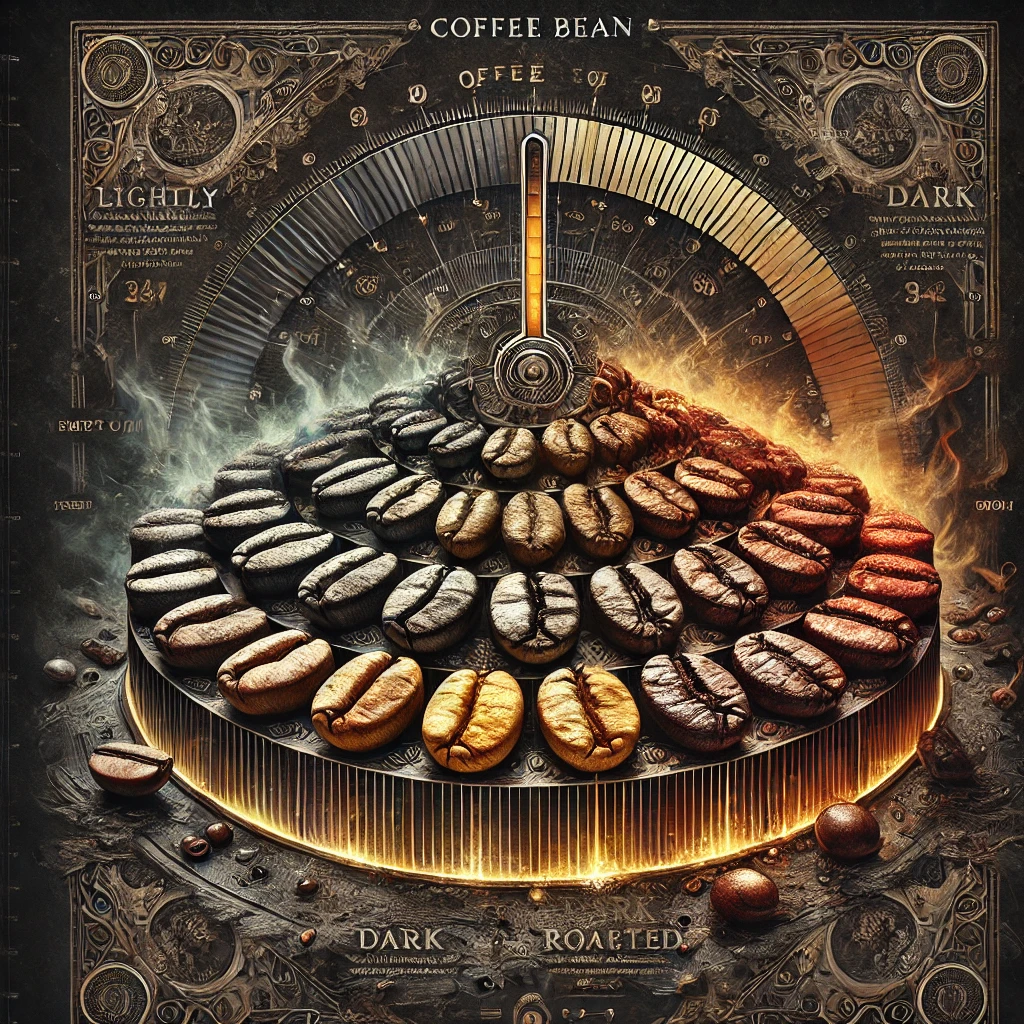
    Light Roasts: The pop punk of coffee. Bright, acidic, and still holding onto their original character. They crack once and tap out early, typically around 401°F (205°C). Perfect for your morning pour-over in your inspirational coffee mug while you build up to the heavier stuff.

    Medium Roasts: The sweet spot between light and dark, like melodic death metal balancing brutality with complexity. They’ve survived first crack but haven’t gone full Norwegian black metal yet.

    Dark Roasts: Where true darkness dwells. These beans have endured both first and second crack, emerging with oils on the surface and a color darker than a doom metal guitarist’s soul. They’ve lost their origin characteristics but gained intensity and power.

    Coffee roast levels diagram showing progression from light to dark roasts in an inspirational coffee mug setting

    Common Roasting Methods

    Commercial drum roasters are the stadium headliners of the coffee world – big, reliable, and consistent. They tumble beans through heat like a circle pit keeps moving through a breakdown. Hot air roasters are the technical death metal approach – precise, controlled, and all about timing.

    For the DIY crowd, home roasting is like playing basement shows. You can start with a simple heat gun or modified popcorn popper, but be warned – it’s easy to turn your beans into the equivalent of a burned-out amplifier if you don’t know what you’re doing.

    The Art of Controlled Chaos

    Roasting coffee is controlled chaos – push too far and you’ll burn your beans to ash; pull back too early and you’ll be stuck with grassy, underdeveloped flavors. The perfect roast, like the perfect riff, requires timing, technique, and an understanding of your craft.

    Remember: A good roaster is like a skilled sound engineer – they know exactly how to dial in the levels to create something brutal yet balanced. Now go forth and appreciate the darkness in your cup with the knowledge of how it got there.

  • From Grinds to Gains: How Coffee Fuels the Modern Trader’s Mindset

    From Grinds to Gains: How Coffee Fuels the Modern Trader’s Mindset

    Waking Up to Opportunity
    The modern trading world never really sleeps—markets toggle from pre-market scans to after-hours swings, leaving little room for downtime. It’s no wonder coffee has become the unofficial lifeblood of traders everywhere. According to Healthline, caffeine can help enhance alertness, reaction times, and even short-term memory, all of which are crucial when you’re staring down a screenful of ticker symbols at 6 a.m. Nothing cements that early-morning ambition better than a quick shot of espresso paired with a metal riff in your earbuds.

    Coffee as Mental Rocket Fuel
    A strong brew isn’t just a beverage; it’s a ritual that centers your focus before market madness descends. The steaming cup in your hand reminds you to be both patient and decisive. Whether you’re going black or sweetening the pot with cream, the habit is about grounding your senses and priming your mind. If you want to elevate the experience further, consider sipping from fun mugs that reflect your no-nonsense, edgy vibe. Trading might be all about numbers, but attitude goes a long way in shaping your mindset.

    Synergy with Trading
    A truly modern trader is someone who merges technology, market knowledge, and personal discipline into one seamless groove. Coffee, in this sense, acts like a supporting band member—boosting your stage presence without overshadowing the performance. According to Investopedia, a clear head is essential for technical analysis and swift decision-making. The calm, repetitive process of preparing your morning brew can settle pre-market jitters so you’re not punching buy or sell orders out of raw panic.

    Practical Tips for the Caffeinated Trader

    • Time It Right: Downing caffeine too late in the afternoon can lead to restless nights. If you’re prepping for the opening bell, make that coffee your dawn ally.
    • Don’t Overdo It: Excess caffeine can trigger jitters, mirroring the emotional roller coaster of a volatile market. Find the sweet spot that keeps you lively but not rattled.
    • Personalize Your Ritual: Some traders love reading overnight news while the espresso machine hums. Others queue up a metal playlist for ambiance. Make it yours, so it becomes a stabilizing force.
    • Mark Your Territory: Showcasing your metal spirit—or your sense of humor—can help you stay motivated. Sip from unique mug creations that nod to the rebellious stance you bring to the trading floor.
    A modern trading desk with chart-filled monitors and a unique mug, capturing the edgy spirit of coffee-fueled trading.

    Brew and Battle Stations


    Pushing Through Barriers
    Ultimately, the combination of hot coffee and a hungry mind is what turns pre-market scans into game-winning trades. It’s the intangible boost that says, “I’m awake, I’m ready, and I’m not backing down.” When the markets open and the volume surges, you’ve already established a groove—alert, prepared, and confident. You might still face losing streaks or misreads, but your caffeine ritual and rock-steady mindset can help you bounce back. Like an epic guitar solo right after a quiet interlude, coffee elevates your mental tempo, gearing you up for whatever the market decides to throw your way.

  • The Punk and Metal Roots of DIY Finance: Empowerment Through Knowledge

    The Punk and Metal Roots of DIY Finance: Empowerment Through Knowledge

    What do hardcore punk shows and personal finance have in common? More than you might think. Both celebrate DIY spirit, subverting mainstream norms, and calling BS on bloated institutions that profit off complacency. If you’ve ever gathered a ragtag group of friends to start a band in your garage, you already know what it feels like to forge a path with minimal resources and a maximum sense of rebellion. That same ethos can guide your approach to saving, investing, and managing money: no middlemen, no fluff, just raw, authentic control over your financial destiny.

    You’re not alone in feeling like large financial institutions don’t really have your best interests at heart. Much like you never trusted the slick, corporate label suits pushing out formulaic rock, you probably don’t trust banks that overcharge fees and lure you into subpar investments. If the raw power of a distortion pedal and a few power chords can start a cultural revolution, why can’t you channel that same energy to master your own finances? Welcome to the world of DIY finance—where knowledge is power, and you’re the one calling the shots.

    A Brief History of DIY Culture

    Zines, Underground Gigs, and Financial Freedom

    Before the internet made everything instantly shareable, the punk and metal scenes thrived on zines—handmade, photocopied magazines distributed by fans. These gritty, no-budget publications delivered unfiltered news and band interviews to local communities who were hungry for realness. It was a total middle-finger to mainstream media channels. Similarly, DIY finance flips off the conventional wisdom that says you must rely on big brokerages, pricey advisors, or complicated mutual funds.

    A report from the Federal Reserve highlights how self-education and a willingness to explore alternatives can break cycles of debt and poor savings habits. Just like a zine gave you the raw scoop on your favorite band, independent financial resources and online communities offer you unfiltered advice and tools you can use right now—often for free.

    Tools for DIY Investing

    Apps, Platforms, and Community Forums

    You don’t need to beg a record label to distribute your music in 2025—nor do you need a “traditional” brokerage account that charges you an arm and a leg to buy a few stocks. From user-friendly stock trading apps to decentralized crypto exchanges, your smartphone can be your backstage pass to the financial world.

    • Robo-Advisors: Platforms like Betterment or Wealthfront use algorithms to manage your portfolio.
    • Commission-Free Brokers: Apps like Robinhood and Webull let you trade stocks and crypto with zero commissions.
    • Decentralized Finance (DeFi): If you’re feeling extra rebellious, DeFi platforms allow peer-to-peer lending, borrowing, and yield farming without a central authority.

    And guess what? You can rock your self-made finance scene while sipping from unique coffee mugs for her if you want a little flair that screams, “Yes, I’m forging my own path, and I’m doing it with style.” Because who says your coffee mug can’t show off your bold personality or your DIY approach?

    collage of DIY finance imagery, including guitars, stock charts, and crypto logos, in a punk zine style

    Forge your own future, one riff and one trade at a time.

    Embracing Risk, Avoiding Exploitation

    The Rebellious Spirit of Self-Defense

    Punk and metal communities have always been about self-defense: from defending the pit to shielding subcultures from corporate whitewashing. Why not apply the same concept to your finances? Most people who haven’t taken the time to learn about budgeting, investing, and credit get trampled by hidden fees or unscrupulous advisors.

    A study by the Consumer Financial Protection Bureau (CFPB) indicates that many financial pitfalls—such as spiraling credit card debt or unreasonably high interest rates—can be mitigated with basic know-how and discipline. In a sense, you’re learning how to block a random shove in the pit. No one’s going to watch your back if you won’t.

    If you’re starting to wonder if there’s more going on behind the scenes of our financial system, you’re not the only one. Why not keep a conspiracy theorist coffee mug at your desk as a reminder to question everything? After all, metal and punk fans have a long history of bucking authority. Might as well carry that attitude into your 401(k) or crypto wallets, too.

    A Rallying Cry for the DIY Investor

    Knowledge = Empowerment

    • Budgeting: Like practicing guitar scales, budgeting is the fundamental skill that underpins everything else. If you can’t handle your day-to-day money, no fancy stock pick will save you.
    • Investing: Once you have extra cash, put it to work. Whether it’s a well-balanced stock portfolio, a few well-researched crypto bets, or some real estate crowdfunding, the point is to direct your cashflow into assets that can grow.
    • Continuous Learning: Punk and metal scenes thrive on discovering new bands, new sounds, new ways of self-expression. Apply that thirst for discovery to your finances. New platforms and opportunities pop up every day—keep exploring them.

    At its heart, DIY finance isn’t just about money—it’s about self-determination. You don’t let corporate radio stations decide what music you should listen to; why let a corporate advisor decide how to invest your hard-earned cash? The tools are out there; all it takes is the same rebellious spark that propelled your favorite band from garage nobodies to genre-defining legends.

    From gritty zines to unstoppable underground movements, punk and metal have always advocated for taking control when the mainstream just won’t cut it. The same is true for your finances: the less you rely on stuffy institutions, the more you learn, experiment, and define your own path, the more empowered you become. It’s not about being a lone wolf with no guidance; it’s about choosing resources and communities that respect your autonomy rather than draining it.

    Next time you’re blasting a relentless riff, picture applying that energy to evaluating your portfolio or tinkering with a new investment platform. The rebellious spirit that shaped your musical tastes can transform how you see money. Remember, every movement started with just a few idealists who refused to accept “the way things are.” You can carry that flame—channel the raw power of punk and metal into your wallet, your retirement account, or your everyday spending decisions. Because if there’s one thing these subcultures taught us, it’s that real change starts from the bottom, with people who dare to do it themselves.

  • Headbanging Through the Bear Market: Surviving Stock Slumps

    Headbanging Through the Bear Market: Surviving Stock Slumps

    The market is down, your stocks look like they’ve been drop-kicked into the underworld, and every headline screams doom. Sound familiar? It’s called a bear market, and if you’re not ready to fight for your sanity, it can chew you up and spit you out. But here’s the thing: if you’re a devoted metalhead, you’re already trained to endure chaos—whether it’s in the middle of a mosh pit or blasting brutal riffs in your headphones. Why not take the same no-nonsense attitude to your portfolio?

    Just like a surprise guitar solo can turn a song on its head, the market can flip overnight, leaving even seasoned investors shell-shocked. But as every metal fan knows, sometimes you’ve got to keep headbanging through the breakdown. So sharpen your elbows and crank up the amps, because we’re about to explore how to not only endure a bear market—but to come out of it stronger.

    The Bear Market Blues
    What It Is and Why It Happens

    A bear market occurs when stock prices tumble by 20% or more from recent highs, reflecting widespread pessimism. According to Investopedia, bear markets can be triggered by economic slowdowns, geopolitical upheaval, or even a sudden loss of investor confidence—just like how the mood at a metal show can shift if the crowd picks up on negative energy.

    Does that mean we should all throw in the towel? Hardly. Just like you wouldn’t quit on your favorite band the minute they release one weak album, you don’t bail on the market the moment things get choppy. Bear markets are an inevitable part of the economic cycle, and surviving them is how the real legends are born.

    Coping Mechanisms
    Budget, Diversify, and Headbang

    1. Reassess Your Portfolio
      • Bear markets can expose weaknesses—both in your holdings and your risk tolerance. Now’s the time to see which stocks (or funds) are truly worth holding and which are dragging you down. A little pruning can free up resources to invest in opportunities that may arise when prices are low.
    2. Build a Safety Net
      • If possible, maintain some cash reserves or stable assets so you’re not forced to sell at rock-bottom prices. It’s like wearing sturdy boots in the pit: you’ll thank yourself when the crowd starts pushing back.
    3. Stay Educated
      • Knowledge is your best armor. Dive into articles, talk to financial pros, and read up on market trends. The U.S. Securities and Exchange Commission (SEC) offers investor education resources that can help you spot scams and navigate turbulent times. The more you know, the less fear has a hold on you.

    And if the gloom starts getting to you, sometimes you need to send a clear message to the world—like sipping from a fuck off coffee mug that embodies your rebellious attitude. After all, if you’re wrestling with a bear market, you don’t have time for sugarcoated nonsense.

    crowded mosh pit set against a falling stock chart, symbolizing surviving a bear market with a metal mindset

    When the market tanks, crank up the volume—bear markets call for brutal riffs.

    Positioning for the Rebound
    Buying the Dip (Or Holding Until It’s Over)

    Most legendary metal records were forged in tough times—bands channeling real pain into epic anthems. Similarly, bear markets can be prime hunting grounds for savvy investors who spot undervalued stocks. Warren Buffett famously suggests being “fearful when others are greedy, and greedy when others are fearful,” implying that solid bargains emerge when widespread panic pushes prices too low.

    1. Focus on Quality
      • Even the strongest companies can tank in a bear market, but they’re also the most likely to rebound when sentiment flips. Keep an eye on essential industries like energy, healthcare, or innovative tech—think of them as your core rhythm guitar, anchoring your portfolio.
    2. Use Dollar-Cost Averaging
      • If you believe in an asset long term, spread your purchases over time instead of trying to guess the exact bottom. This approach balances out short-term price swings. No one nails the perfect entry point every time, and it’s better to join the song at a decent spot than to miss it entirely.
    3. Diversify with Alternatives
      • Cryptocurrencies or gold can sometimes buck the trend—or at least move to a different drumbeat—during stock slumps. Just be sure you understand the risks before diving in. According to Bloomberg, crypto markets can be even more volatile than equities, so approach them with caution.

    If you do dabble in Bitcoin during the chaos, you might as well stash it in style. A bitcoin-themed coffee mug can serve as a cheeky reminder that while the stock market might be tanking, there’s a whole other realm of digital possibility out there.

    A bear market might knock the wind out of your portfolio, but remember: metalheads don’t shy away from adversity—they crank the volume and plow straight through it. By budgeting wisely, diversifying, and maybe tapping into alternative assets, you can navigate the gloom and come out with some serious investing scars—AKA experience.

    You’ll come away with more than just bruises; you’ll have a refined strategy, a tougher psyche, and maybe even a new perspective on what “value” really means. So the next time red numbers flood your screen, think of it as the breakdown in your favorite song—brutal, intense, but ultimately setting the stage for a crushing comeback.

    In other words, keep your boots laced, your coffee scorching, and your riffs savage. Because a bear market can’t kill your spirit if you’re headbanging right through it.

  • From Coffee Beans to Capital Gains: The Value of Nurturing Potential

    From Coffee Beans to Capital Gains: The Value of Nurturing Potential

    Picture the journey of a tiny coffee bean. Planted in nutrient-rich soil, it’s watered, shielded from harsh elements, and carefully tended until it transforms into a flavorful roast. Now think about a fledgling tech startup or an emerging crypto project. They need time, resources, and a bit of faith to blossom into industry powerhouses or even market disruptors. In both cases, the real magic happens when we nurture potential—and that goes for everything from your morning cup of joe to the next big asset in your portfolio.

    Life’s too short for mediocre brews or stagnant investments. If you’re curious how the wisdom of growing quality beans can inform a dynamic investing strategy, buckle up. We’re about to dig into parallels between coffee cultivation and capital gains, and why patience might just be your best ally in both arenas.

    Cultivation and Care

    Beans or Assets: The Principles Are the Same
    Whether you’re raising coffee plants or identifying promising investments, you’ve got to start with high-quality seeds. A coffee farmer looks for beans with strong genetic traits; an investor scouts companies or cryptos with sound fundamentals and a compelling growth story. According to an FAO (Food and Agriculture Organization) report on global coffee production, the health of the soil and the climate around the bean can significantly impact yield and flavor. Substitute “soil and climate” with “market conditions and regulatory environment,” and you have a pretty solid parallel for what shapes a company’s potential.

    Time and Patience
    Just as coffee cherries don’t ripen overnight, the companies you invest in won’t skyrocket immediately. If you plant a seed and expect it to become a towering tree by tomorrow, you’re setting yourself up for disappointment. The same goes for buying into a stock or crypto. Sure, there are hype-fueled moonshots that blow up in weeks, but that’s more the exception than the rule. According to a study from Morningstar, long-term holding often outperforms short-term trading, underscoring the payoff of letting growth compound over time.

    It’s like sipping your morning brew from cute coffee mugs: you wouldn’t burn your tongue by chugging it instantly. Instead, you enjoy the warmth, aroma, and taste at a steady pace. If you’re willing to be patient, you’ll savor the entire experience—and give your investments room to breathe.

    Roasting and Timing

    Hitting the Sweet Spot
    In coffee roasting, finding that sweet spot is critical. Roast too long, and the beans turn bitter. Pull them out too soon, and they taste underdeveloped. The same principle applies to deciding when to buy, hold, or sell an investment. Timing isn’t about being psychic; it’s about recognizing certain signals—like the bean’s color, crack, or aroma in coffee, or a company’s earnings, market sentiment, and product launches in the stock world.

    Over-roasted beans and over-held stocks can both leave a sour taste. That’s why your research needs to be on point. Know the bean variety (or company fundamentals), monitor the roast temperature (market conditions), and decide when you’ve got something that’s just right for your palate (profit target or exit strategy).

    yellow coffee mugs near fresh coffee beans and a rising stock chart, symbolizing growth and nurturing potential

    Foster the bean, foster the balance sheet—patience grows profits.

    Ongoing Maintenance

    Tending the Crop, Tending the Portfolio
    Coffee farms don’t stop caring for the plants once they sprout. They prune, fertilize, and shield the beans from pests and harsh weather. Likewise, a portfolio isn’t a “set it and forget it” operation if you’re serious about gains. Periodically check in, rebalance, and prune out underperformers. And, as any seasoned investor knows, “weather” can take many forms—recessions, regulatory crackdowns, or unexpected tech breakthroughs that shake up entire sectors.

    During these check-ins, it helps to keep a positive outlook—especially if your positions have dipped. Lift your spirits with yellow coffee mugs that bring a burst of optimism to your routine. After all, nurturing potential is as much about mindset as it is about technical skill.

    Research, Adapt, Repeat
    Don’t assume today’s conditions will stay the same tomorrow. A climate shift can ruin your coffee crop just as a major competitor can tank your investment. Stay curious, keep learning, and be willing to tweak your approach. Sometimes, that means adjusting your brewing method for a new roast; other times, it means pivoting out of a sector when fundamentals change dramatically.

    From coffee beans to capital gains, the journey is about nurturing potential. Each step—selection, cultivation, timing, and ongoing care—mirrors the path of shepherding a tiny seed into something robust and valuable. If you’re patient, committed, and willing to adapt, you’ll often find that both your morning brew and your investment returns are richer than you could have imagined.

    In an age of instant gratification, embracing the slow-and-steady approach can feel revolutionary. But let’s face it: some of the best things in life take time to develop, whether it’s the depth of flavor in a freshly roasted bean or the incremental growth of a company poised for greatness. So next time you savor your coffee, remember that you’re also perfecting the art of patience. And in the world of investing, a little patience just might lead to your strongest returns yet.

  • HODLing the Grind: Long-Term Crypto Mindset Meets Caffeine’s Endurance

    HODLing the Grind: Long-Term Crypto Mindset Meets Caffeine’s Endurance

    Most people sip coffee for a quick jolt, just like some traders buy crypto hoping for fast riches. But if you’re the kind of person who slowly savors your brew—letting its warmth and intensity build—chances are you’ll appreciate the true art of HODLing, or holding onto your crypto for the long haul. Despite the wild ups and downs, real success in digital assets often comes from patience and trust in your strategy. And hey, the same is true for coffee. One is about letting your investments mature, the other is about letting the aroma and flavor fully bloom. Combine both, and you’ve got an endurance game that stretches far beyond your morning routine.

    Why Long-Term Mindset Matters

    Let’s be honest: nobody’s jaw drops at a five-minute crypto scalp or a microwaved cup of coffee. Real depth comes from letting things develop over time, be it a well-drawn espresso shot or a promising altcoin.

    In crypto, the HODL concept rose from a famous forum post where someone typed “HODL” instead of “hold” in a moment of frustration—yet it captured the essence of not selling in panic. Today, HODLing is practically a lifestyle. According to CoinDesk (a major crypto media platform), many enthusiasts cling to their coins through bull and bear cycles, believing in the technology’s future value more than they fear market plunges. That unwavering conviction is like refusing to switch to decaf, even if everyone around you raves about “lightening up.”

    Zooming Out

    Markets fluctuate dramatically day to day, but if you zoom out on a multi-year chart, you see the bigger trajectory. Just like if you give that French press a few extra minutes, you end up with a richer, more complex flavor. Think of it this way: you can stare at the 15-second chart, or you can trust your research and your chosen altcoin’s fundamentals. The second approach might require more patience, but it tends to reward those who stay the course.

    The Role of Caffeine in Your Productivity

    Let’s face it: an all-night crypto research session calls for a robust coffee supply. While some folks guzzle cup after cup just to stay awake, there’s a smarter way to keep yourself fueled.

    Moderation, Not Mayhem

    According to the Mayo Clinic, up to 400 milligrams of caffeine per day is generally safe for healthy adults, which translates to about four cups of brewed coffee. Any more than that, and you risk the jitters, headaches, or even worse—making impulsive crypto trades when your brain’s on overdrive.

    Instead, space out your coffee intake. Start with a strong brew in the morning while checking the latest market updates, savor it in a coffee mug for women that suits your style—because who said a “mom mug” can’t hold the fort for a serious crypto investor?

    Sustained Energy for the Long Haul

    Sipping your coffee slowly can maintain an even caffeine level in your bloodstream, just like dollar-cost averaging can keep your crypto portfolio balanced. If you gorge on caffeine all at once, you might get a quick high, but a crash lurks just around the corner—mirroring the short-term trader who chases moonshots and panics when the chart dips.

    Unwavering Belief—Coffee Rituals & Crypto Conviction

    Daily coffee rituals can be as potent as daily check-ins on your long-term investments. You don’t brew a pot of coffee expecting it to morph into tea halfway through. Similarly, you don’t buy into a crypto project expecting it to be something entirely different next week. You pick your beans (and your blockchain) carefully, then commit to the process.

    • Routine: Brew at the same time each day, check the market with disciplined regularity.
    • Patience: Let the coffee steep properly; let your investments ride out the highs and lows.
    • Conviction: Trust the quality of your beans and the fundamentals of your chosen altcoin.

    When the market crashes or your coffee supply runs low, staying composed is everything. If your caffeine stash is nearing empty, it’s time to re-up that bag of premium roast. If your coins take a dip, it’s time to confirm whether your long-term thesis still holds. Just like you don’t abandon your favorite brew at the first bitter note, you shouldn’t ditch your long-term investments at the first sign of FUD (Fear, Uncertainty, and Doubt).

    Sometimes, you need a visible reminder to keep the faith—both in your brew and your portfolio. Settle into your office chair with dad coffee mugs that say, “I’ve got responsibilities, but I’m still a rebel at heart.” After all, dad jokes and diamond hands can coexist perfectly in this weird world we call adulthood.

    dad coffee mugs used for relaxed crypto investing with a laptop chart

    Steady brew, steady gains—welcome to the HODL lifestyle.

    At its core, HODLing is about faith, patience, and preparation—the same virtues that elevate a simple cup of coffee into a sacred morning ritual. You don’t brew your coffee with the expectation of gulping it all down in five seconds; you sip slowly, relishing every note. Your approach to crypto should be no different. Whether you’re letting the grounds steep a little longer or letting your altcoin ride out the turbulence, the principle is the same: trust the process.

    Crypto hype may come and go—just as the popularity of various roasts might wax and wane—but the real winners are those who keep an unwavering vision. Once you embrace the methodical grind, you’ll find that the synergy between a killer cup of coffee and a well-researched coin is more than just coincidence. It’s a lifestyle of patience, strategy, and savoring each incremental gain. Because at the end of the day, a well-timed sip and a well-timed HODL can both taste oh-so-sweet.

    Follow my blog with Bloglovin