Tag: science

  • The Caffeine Conundrum: Friend or Foe?

    The Caffeine Conundrum: Friend or Foe?

    Alright, you caffeine-crazed maniacs, let’s get down to brass tacks. That steaming cup of black gold you clutch every morning… is it your best friend or your worst enemy? The answer, as with most things in this chaotic life, is…complicated.

    The Double-Edged Sword of Caffeine

    Caffeine, that glorious stimulant, works its magic by blocking adenosine, a neurotransmitter that promotes relaxation and sleep. This leads to increased alertness, improved mood (at least initially), and enhanced cognitive function. Think of it as a short-term performance enhancer, a cheat code for your brain. But like any cheat code, overuse can lead to a world of hurt.

    Now, let’s not be all doom and gloom. Moderate caffeine consumption—we’re talking a few cups of coffee a day for most adults—is generally associated with a bunch of health benefits. Studies have linked it to reduced risk of type 2 diabetes, Parkinson’s disease, and even certain types of cancer. But those studies always have asterisks, don’t they? Always that pesky “moderate consumption” caveat. Overdoing it, however, can seriously backfire.

    The Dark Side of the Bean

    Too much caffeine, my friends, can unleash the kraken. We’re talking anxiety, insomnia, heart palpitations, digestive issues—the whole nine yards. It can also lead to dependence, that sneaky little beast that makes quitting a living hell. Think of it like a death metal riff that sounds awesome at first, but after listening on repeat for 12 hours, you crave silence more than a sweet, sweet caffeine kick. And I mean truly crave silence.

    Remember that friend who swears by 10 espressos before a gig? Yeah, that friend needs to chill out. Responsible consumption is key, people. It’s not about how much you can *handle*, it’s about how much you can *control*. Knowing your limits is as vital to your daily life as a well-timed pinch-harmonic in a sick guitar solo. Find your edge, and then back off a bit.

    Mythbusting: The Caffeine Legends

    Let’s tackle some common misconceptions. First, the idea that caffeine dehydrates you is largely overblown. Harvard’s Nutrition Source states that while caffeine *can* have a mild diuretic effect, the impact is minimal for most people. You don’t need to down a gallon of water for every cup of joe.

    Secondly, the whole “caffeine makes you age faster” is another crock. While excessive caffeine can contribute to wrinkles (because of dehydration), it’s not exactly some fountain-of-youth destroyer. Honestly, if you’re worried about aging, focus on diet and exercise, and drink your damn coffee with joy.

    Marketing Mayhem: The Coffee Con

    The marketing around caffeine is often a clusterfuck. Energy drinks, for example, are often marketed as some kind of miracle cure-all. But they’re often packed with sugar and other nasty additives that negate any potential health benefits. Choose quality over quantity, my friends. And if a company is promising miracles, then be skeptical. The only miracle here is actually the way coffee works with a killer DMM mug. Check out our collection of positive coffee mugs and see what I mean.

    The Bottom Line: Grind Responsibly

    Listen, caffeine isn’t inherently good or bad. It’s a tool, like a wickedly sharp axe. Used wisely, it can help you conquer your day. Misused, it can chop off your fingers (metaphorically speaking, unless you’re really clumsy).

    The key is moderation, awareness, and self-control. Know your limits, respect your body, and enjoy that damn coffee responsibly. Otherwise, you might end up regretting that extra shot of espresso. You’ve been warned.

  • The Unexpected Alchemy of Coffee: How Chemistry Creates Your Perfect Cup

    Let’s face it, folks. We’re not just drinking coffee; we’re conducting a low-key, caffeinated experiment every single morning. This ain’t some hippie-dippy, crystal-healing bullshit; this is hard science, the kind that fuels our trading strategies and keeps us awake for those 3 AM stock charts. We’re talking about the unexpected alchemy of coffee—the brutal chemistry that transforms humble beans into that dark, delicious nectar of the gods (or, you know, just really, really good mornings).

    Forget the fairy tales about mystical origins. We’re going deep into the chemical reactions, understanding how different brewing methods impact extraction and flavor profiles. This isn’t some corporate-approved, feel-good fluff; this is raw, unfiltered coffee truth, and it’s about to blow your mind. Grab your metalhead coffee mug, because we’re about to get nerdy.

    The Bean Scene: Chemistry’s Starting Point

    Coffee beans, before they’re even roasted, are complex chemical cocktails. They’re packed with hundreds of volatile compounds that contribute to the aroma and flavor. We’re talking acids (like citric and malic), sugars, caffeine (the good stuff), and a whole host of other organic compounds. It’s like a chaotic symphony of molecules, just waiting to be unleashed.

    The roasting process is where the real magic happens—or, more accurately, the real chemistry. Heat triggers a cascade of reactions, transforming the bean’s chemical makeup. Think of it like forging metal—the heat changes the structure, resulting in entirely new properties. The longer you roast, the darker the bean, and the more complex the flavor profile becomes.

    Brewing Battles: The Extraction Equation

    Now that we’ve roasted our beans to perfection, it’s time to brew. And this is where it gets really interesting. Different brewing methods yield drastically different results, all thanks to the chemistry of extraction. A French press, for example, extracts more oils and sediment, giving the coffee a fuller, more robust flavor. A pour-over, on the other hand, allows for more control over the water temperature and flow, leading to a cleaner, brighter cup. You wouldn’t believe the impact a few degrees of temperature difference can have on the entire chemical equation.

    Water temperature is key here. Too hot, and you risk bitterness from over-extraction; too cold, and you’ll end up with a weak, sour brew. This is where you might say that perfect brewing is an art form—but it’s truly a science honed by careful experimentation. If you’re serious about getting the best out of your beans, you’ll need to learn this equation like the back of your hand.

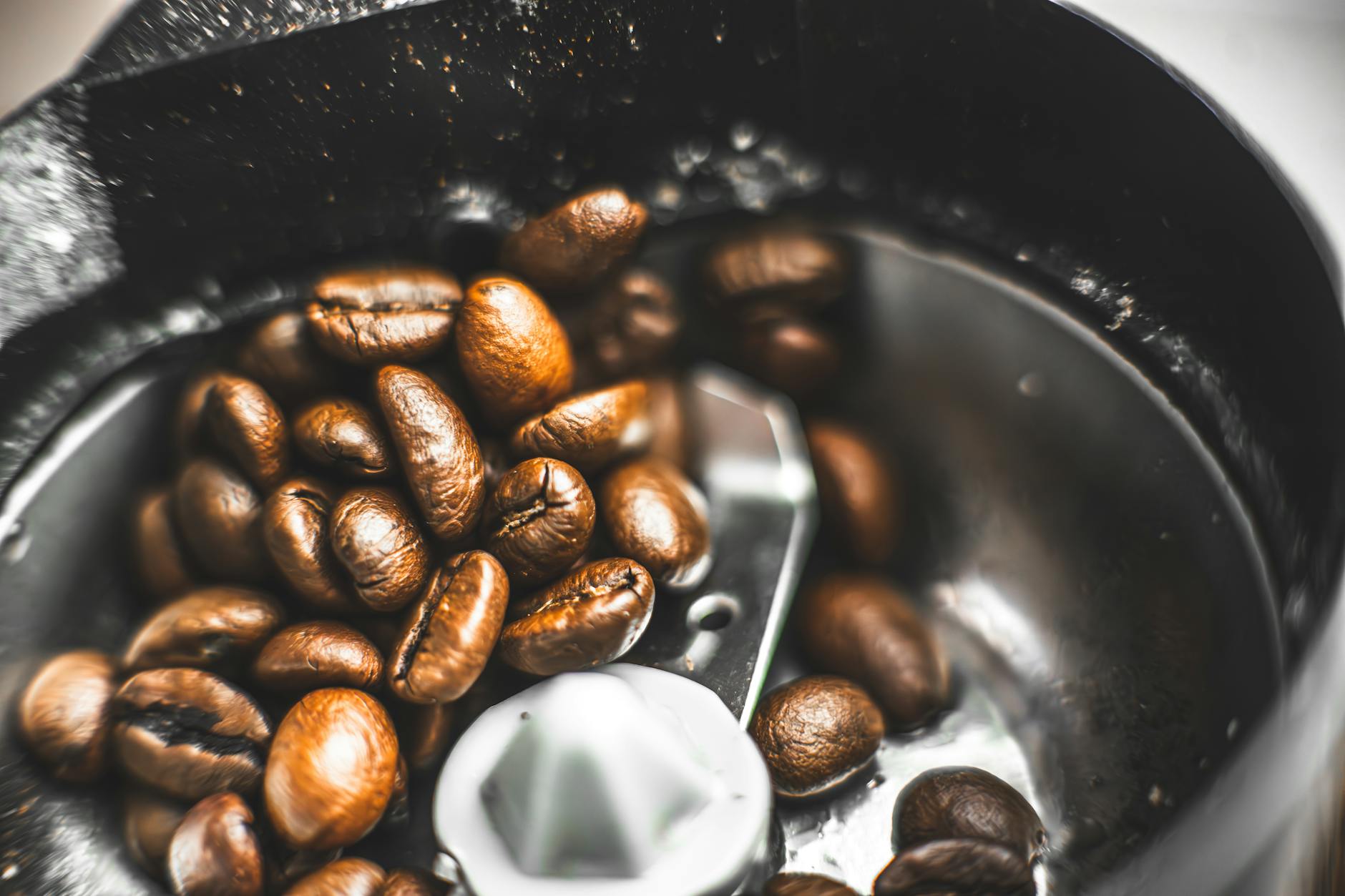
    And let’s not forget grind size! The surface area of the ground beans plays a vital role in how quickly the water extracts flavor compounds. Too fine, and you risk over-extraction and bitterness. Too coarse, and you’ll get a weak, under-extracted cup. It’s a delicate balance, much like juggling chainsaws and a perfectly brewed cup of coffee.

    The Final Cup: The Symphony of Flavor

    The final cup is the culmination of all those chemical reactions. The interplay of acids, sugars, and volatile compounds creates the unique flavor profile of your coffee. It’s a dynamic balance; understanding how each factor influences this balance empowers you to craft the perfect cup—or the perfect nope coffee mug to fill with said perfect cup.

    Some might call it witchcraft, but we know better. It’s science. And that’s what makes it truly wicked.

    And this isn’t just about making good coffee. It’s about understanding and mastering a process. The ability to take raw materials and transform them, using the right techniques and the right knowledge, is a valuable lesson that translates to everything we do here at DMM, whether we are roasting beans or building a successful business. It’s about control. The ability to predict an outcome, to manage variables, and to create something powerful and meaningful. This is the underlying principle of all successful endeavors, from brewing the perfect cup to crushing it in the markets.

    This is the kind of knowledge that gives you an edge. An edge in understanding the world around you. A deeper appreciation for the complexities of seemingly simple things. And who knows, this newfound knowledge might even help you predict the next market shift. Now go forth and brew. And don’t forget to tell everyone how you’re using science to make the perfect cup.

    Learn more about the chemical components of coffee from this National Center for Biotechnology Information article. It’s a little dense, but trust me, it’s worth the read.

    For a more casual overview of coffee chemistry, check out this article from Real Coffee. And remember, this is more than just a brew; it’s a rebellion against weak coffee and weak attitudes.