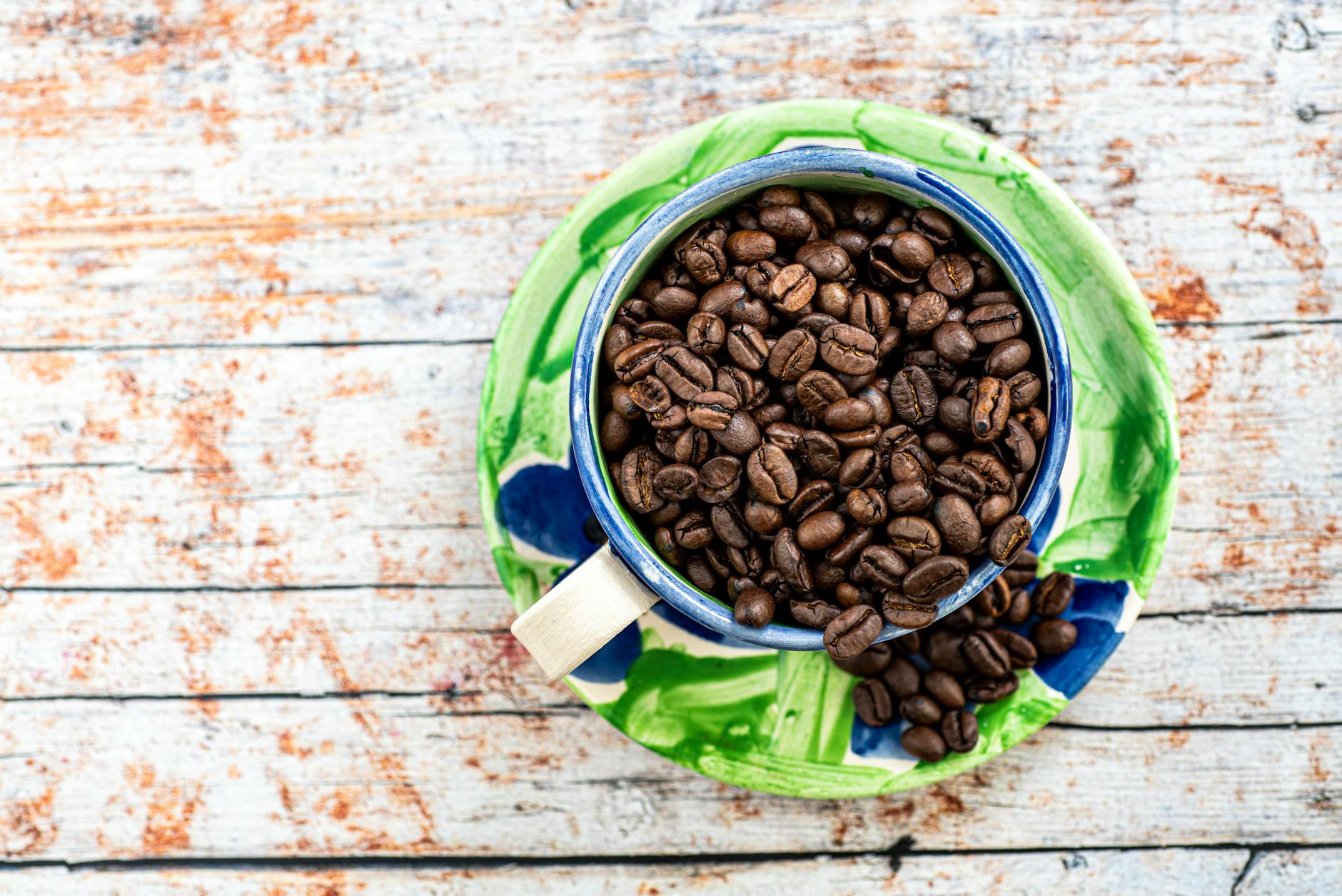
Tag: fair trade

  • The Economics of Coffee: A Bitter Brew?

    The Economics of Coffee: A Bitter Brew?

    Gentlemen, let’s talk about coffee. Not the frothy nonsense you find at those trendy coffee shops, but the real deal. The kind you brew yourself after carefully sourcing those exquisite green beans, like a finely aged Cabernet Sauvignon, only less likely to give you a headache.

    Now, I’ve always believed in the power of meticulous planning and the long game—whether it’s in investing or in crafting the perfect cup of joe. And let me tell you, the economics of coffee? It’s a whole other level of intricate, a rollercoaster worthy of the most volatile stock market. I wouldn’t wear my bitcoin coffee mug while trading it, mind you – that’s just asking for trouble.

    First, let’s look at the global supply chains. It’s a chaotic ballet of farmers in developing nations, international traders, and global roasters. It’s a system fraught with complexities, from volatile weather patterns influencing crop yields, which impact the price per pound (and ultimately, your morning brew). Just like the stock market, this ain’t your grandpappy’s simple buy-low, sell-high scheme. Consider the impact of climate change on coffee production, as reported by the National Coffee Association USA; the potential for disruption is massive.

    The Price is Right… Or Is It?

    The price fluctuations in the coffee market are enough to give even the most seasoned trader palpitations. The prices of Arabica and Robusta beans, the two major species traded globally, depend on a chaotic mix of factors. Supply and demand naturally play a critical role, but global economic shifts, geopolitical events, and even the strength of the US dollar can significantly impact the bottom line. It’s almost like trying to time the perfect buy on a volatile crypto; risky, but potentially rewarding if you play your cards right.

    And let’s not forget the plight of the coffee farmers themselves. Often, they are at the mercy of fluctuating global prices, facing exploitation and unfair trading practices. This is where ethical sourcing and fair trade practices are non-negotiable for those of us who appreciate a truly exquisite cup. It’s all about transparency and sustainability; no corporate fluff, just honest-to-goodness quality.

    Brewing Up a Forecast

    So, what does the future hold for this complex and fascinating industry? Nobody has a crystal ball, not even me with my decades of experience in the stock market. There’s a lot of uncertainty, just like the crypto space, but experts predict continued growth in the specialty coffee market, with increasing consumer demand for high-quality beans and ethical sourcing. However, we also face considerable challenges, including climate change, fluctuating global prices, and the need for sustainable farming practices. The Statista has compiled a wealth of data on these trends, and I suggest you take a look if you’re truly serious about this.

    My Two Cents (and My Two Watches)

    Look, I get it. My obsession with the intricate details of coffee preparation might seem a bit… intense. Triple-filtered water, precise grind sizes, non-reactive brewing equipment – I know, I know. But like a good investment, it’s all about long-term value. In the end, the rich, nuanced flavors of a perfectly brewed cup are worth the effort. And really, isn’t that what life’s about? Finding those things you appreciate deeply and sticking with them?

    In the world of coffee, just like in the world of finance, patience and precision pay off. Those who understand the underlying principles, who appreciate the meticulous details, and who can see beyond the immediate fluctuations, they’re the ones who truly reap the rewards. So, the next time you’re enjoying your morning brew, take a moment to appreciate the complex economics, the global trade, and the hardworking individuals that made that cup possible. Maybe even grab your bitcoin coffee mug and toast to the long game.
  • Can Coffee Save the Planet? A Brewtiful Exploration of Ethical Practices

    Right, you lot. Gil here, your resident caffeine connoisseur and, let’s be honest, slightly eccentric coffee obsessive. Today’s topic isn’t some obscure varietal from the highlands of Papua New Guinea (though I do have a rather fascinating anecdote about that…), but something rather more…planetary. Can coffee, that glorious elixir, actually help save the planet?

    Now, before you raise your eyebrows and mutter something about the environmental impact of shipping beans halfway across the globe (I’ve already considered that, thank you very much; the carbon footprint of those antique percolators is something else altogether!), let’s explore the other side of the bean. The truth is, sustainable coffee farming is not only possible, but it’s vital for the future of the industry—and, arguably, the future of the planet. The environmental and social impacts of coffee production are considerable; this isn’t some fluffy, ‘let’s-all-feel-good’ discussion. We’re talking tangible, measurable results.

    The Bitter Truth About Coffee’s Shadow Side

    Let’s face it: the traditional coffee industry has left quite a mark. Deforestation due to land expansion, pesticide use harming biodiversity and water sources, poor working conditions, and fair-trade issues are all too common. It’s a bit like that time I accidentally brewed my coffee with saltwater instead of triple-filtered water—a disaster of epic proportions. The resulting brew was undrinkable. Fortunately, this is something we can, and absolutely *must*, fix.

    Studies show that coffee cultivation is responsible for significant deforestation, particularly in regions where shade-grown methods aren’t employed. The World Wildlife Fund highlights the problem, detailing how unsustainable practices contribute to habitat loss and biodiversity decline. And what’s worse, many farmers don’t receive a fair price for their beans, leading to economic instability and poverty.

    Shading the Light on Sustainable Solutions

    However, there is hope, even for a grumpy old stockbroker who still insists on buying green coffee beans in burlap sacks from a guy he met at a ’60s revival fair.

    Sustainable coffee farming practices are crucial for mitigating the negative environmental impacts. Shade-grown coffee, for example, significantly reduces deforestation as it preserves existing forests while providing a habitat for various species. This approach, in contrast to the sun-grown method of clearing large tracts of land, allows for biodiversity to flourish. It’s a method that aligns perfectly with environmental stewardship.

    Organic farming practices minimize pesticide use, protecting both the environment and the health of farmers and consumers. The transition to organic farming is a slow process, though; it requires a commitment to long-term investment and careful management. It’s a bit like investing in blue-chip stocks; steady and reliable, though not always exciting.

    Beyond farming practices, fair trade certifications, like those championed by organizations like Fairtrade International, ensure farmers receive a fair price for their beans, improving their livelihoods and providing greater economic stability. The financial benefits of ethical sourcing extend beyond the producer’s bottom line. We consumers must participate in this; our preferences impact the supply chain.

    Brewing a Better Future: Innovations and Opportunities

    The coffee industry is constantly evolving, and innovation plays a pivotal role in creating a more sustainable future. New technologies are being developed to improve traceability, allowing consumers to know exactly where their coffee comes from. I mean, I knew where *my* beans came from, but I certainly didn’t track them via blockchain or anything. Some things are best left traditional.

    In fact, while the whole crypto craze leaves me a bit bewildered (the volatility, dear Lord, the volatility!), the use of blockchain technology in supply chain management is one innovative solution that could enhance transparency and accountability within the coffee industry. One of the significant advantages is that it can help to track the journey of a single bean, providing a detailed history of its origin, processing, and movement across different supply chain partners. Though, honestly, I’ll stick to my percolator. The National Coffee Association offers further insights on these advancements.

    So, can coffee save the planet? Not single-handedly, my friends. But by embracing sustainable practices, supporting ethical sourcing, and demanding transparency, we can significantly reduce the negative impacts of coffee production. You know, it’s a bit like my approach to the stock market: a long-term strategy with meticulous planning, and a healthy dose of patience. Oh, and maybe a perfectly brewed cup of coffee to keep me sane.

    And while we’re on the subject of sanity-preserving caffeine, let’s not forget to appreciate the finer things in life. A bit like this: If you’re in need of a mug that perfectly encapsulates the daily grind (or in my case, the daily grind of coffee brewing), consider a “vulgar coffee mug”: vulgar coffee mug. It perfectly complements my refined tastes.

  • Beyond the Bean: Coffee’s Role in Global Communities

    Beyond the Bean: Coffee’s Role in Global Communities

    Alright, metalheads and caffeine fiends, let’s talk about something heavier than a double bass drum pedal: the global coffee trade. Yeah, I know, sounds about as exciting as a tax audit, but bear with me. This isn’t your average corporate-speak fluff piece; this is the raw, unfiltered truth, the kind we usually only share after a few beers and a round of Slayer.

    We’re talking about the human stories behind that dark, delicious liquid that fuels our mornings and our mosh… uh, I mean, *intense* coffee-fueled discussions. The reality is, the journey from bean to cup is a complex one, woven with threads of economic disparity, cultural richness, and yeah, even a touch of the good ol’ capitalist free-for-all.

    From Farm to Mug: A Journey of Shadows and Light

    Think about it: that perfectly roasted bean you’re about to grind? It started life in a far-off land, likely grown by hardworking farmers who are often the least compensated folks in the supply chain. This isn’t a new concept. The economic challenges faced by coffee farmers in many developing nations are well-documented, with low prices often leaving them struggling to make a decent living, let alone invest in sustainable farming practices. That’s why movements like Fair Trade are so crucial. They aim to ensure fair prices, protect worker rights, and improve the livelihoods of those who grow our precious beans.

    Now, I’m not preaching some hippy-dippy tree-hugging nonsense. I’m a trader, alright? I know about market forces. But even a hardened stock-market veteran like myself can appreciate the importance of ethical sourcing. And frankly, supporting Fair Trade isn’t just the morally right thing to do; it makes good business sense in the long run. It promotes sustainable practices, ensuring the future of coffee for generations to come. Besides, a world without coffee? That’s a dystopia I’m not ready to face.

    The Cultural Caffeine Kick

    Coffee isn’t just a beverage; it’s a cultural phenomenon. From the bustling cafes of Italy to the traditional coffee ceremonies of Ethiopia, coffee plays a unique and significant role in communities worldwide. It’s a social lubricant, a fuel for creativity, and a source of comfort. Think about it: you’re not just drinking coffee; you’re participating in a centuries-old tradition, connecting with cultures far beyond your own. Makes you appreciate that morning brew a little more, doesn’t it?

    The impact of coffee on local cultures is far-reaching. It creates jobs, supports economies, and drives cultural exchange. In many communities, coffee is the heart of social gatherings, the cornerstone of daily routines, and a vibrant part of the social fabric. It’s the reason we’re all here, huddled around the virtual campfire that is DeathMetalMugs.com, sharing stories and enjoying our morning brew. And let’s be honest, some of us wouldn’t be here without that daily dose of caffeine. I know *I* wouldn’t be.

    Navigating the Complexities of Fair Trade

    While the concept of Fair Trade sounds simple enough – paying farmers a fair price for their product – the reality is much more nuanced. Ensuring fair trade practices isn’t as easy as slapping a label on a bag of beans. It requires a commitment from everyone involved, from the farmers to the roasters to the consumers. It’s about transparency, traceability, and accountability throughout the supply chain. As consumers, we have a role to play. We can actively seek out ethically sourced coffee, supporting companies committed to fair labor practices. Small actions, done collectively, can make a big impact.

    One of the critical aspects of Fair Trade is ensuring worker rights. This involves paying fair wages, providing safe working conditions, and protecting the health and well-being of those involved in coffee production. Fair Trade USA is a good resource for more information on this. It’s about recognizing the dignity and value of human labor, something we can all relate to, right?

    And let’s not forget the environmental impact. Sustainable farming practices are key to preserving the environment for future generations. It’s a delicate balancing act, and we all need to play our part in ensuring that the coffee we consume is sourced responsibly. Just like we need to manage our risk in the markets, we need a sustainable approach to ensure the future of the coffee industry. I’m not just talking about financial stability; I’m talking about the long-term health of an entire industry. A collapse in coffee production? Now *that’s* a black swan event we want to avoid.

    Investing in a Better Brew

    So, what does all this mean for you, the discerning coffee drinker and Death Metal Mugs aficionado? It’s pretty simple, really. By making conscious choices about the coffee you buy, you’re supporting farmers, protecting workers, and contributing to a more sustainable industry. It’s about choosing to drink coffee that aligns with your values, not just your taste buds. And if you’re looking for a perfect mug to enjoy your ethically sourced brew, may I suggest our awesome bitcoin mugs?

    Look, I’m not saying you need to become a Fair Trade expert overnight. But a little awareness goes a long way. Do a little research, support brands that prioritize ethical sourcing, and enjoy your coffee knowing you’re making a positive impact. And remember: every sip is a small step towards a better world, one caffeine-fueled revolution at a time. Now, if you’ll excuse me, I’ve got blueberry muffins to bake and a market to conquer.