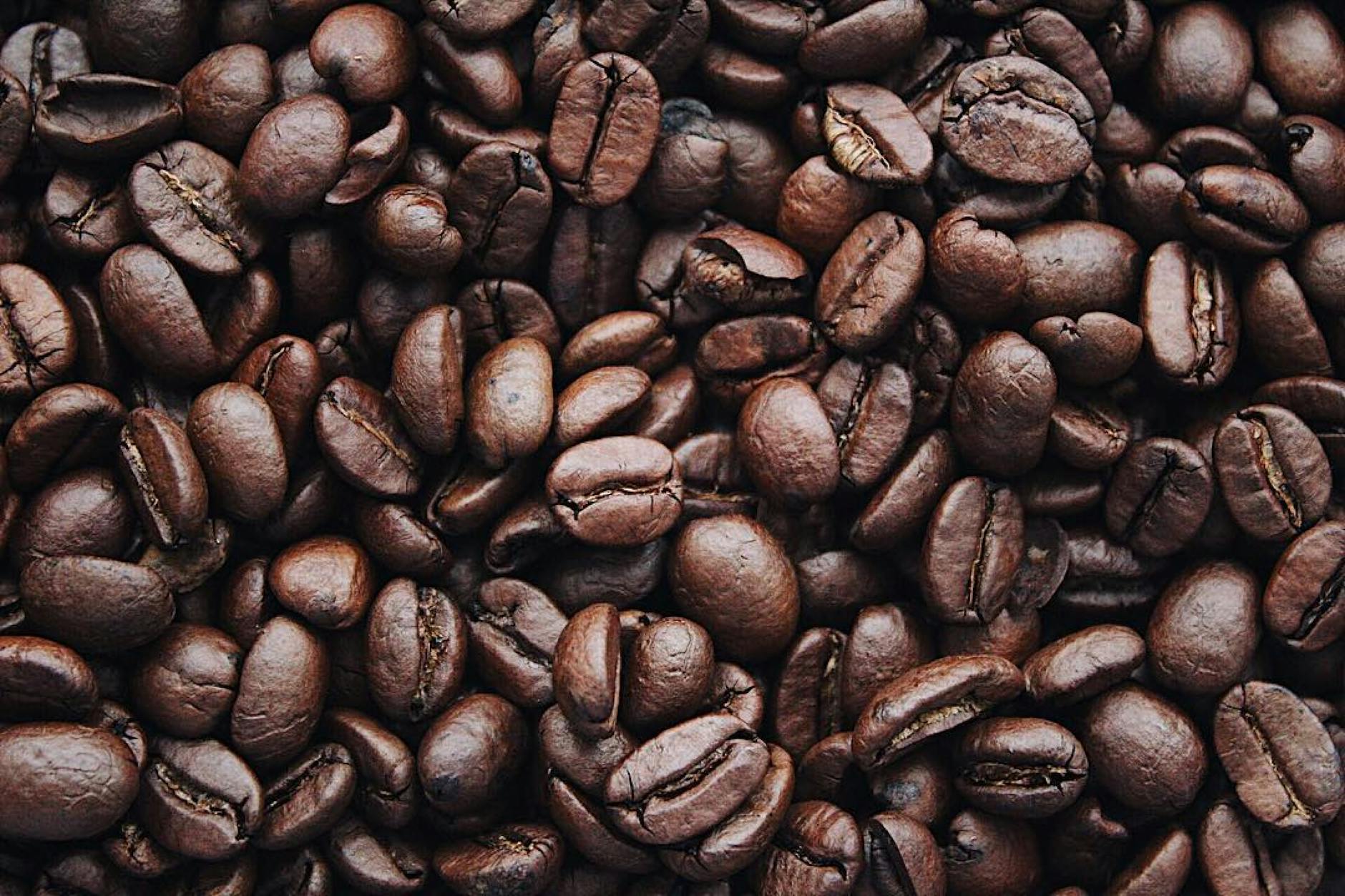
Alright, metalheads, coffee fiends, and market maniacs—let’s talk about something heavier than a double bass pedal: coffee culture. Yeah, I know, it sounds…soft. But stick with me, because this ain’t your grandma’s chamomile tea. This is a global tapestry woven with caffeine, tradition, and enough grit to make your teeth rattle. Forget those corporate-flavored swill commercials; this is the raw, unfiltered truth.
Brewing Up History: A Global Caffeine Fix
Coffee’s journey from the Ethiopian highlands to your mug is a wild ride. Forget those sanitized corporate histories; this is a story of trade routes, empires, and enough intrigue to fuel a Slayer album. We’re talking centuries of cultural exchange, all fueled by the bitter nectar of the gods. Did you know that coffee played a pivotal role in the Enlightenment? It fueled intellectual discussions and artistic revolutions across Europe—think of it as the original performance-enhancing drug for geniuses. And speaking of fueling geniuses, sometimes you need the right mug to get your creative juices flowing. Grab yourself an inspirational coffee mug to keep the creative fires stoked.
The Rituals of the Roast: Coffee as Ceremony
Coffee isn’t just a drink; in many cultures, it’s a ritual, a ceremony, a sacred act. In some parts of the world, sharing a cup of coffee is a social lubricant, forging bonds and strengthening communities. Think of it as the metalhead version of a mead hall—only with more caffeine and less dragon slaying (unless you count that Monday morning meeting). In Yemen, for example, the elaborate preparation and serving of coffee is a deeply ingrained social custom, symbolizing hospitality and respect. The World Coffee Portal offers a fascinating glimpse into the global coffee industry.
Turkish Delight: Coffee’s Ottoman Empire
Let’s delve into the rich history of Turkish coffee. This isn’t your drip coffee; it’s a potent brew, steeped in tradition and folklore. The method itself is a performance, a hypnotic dance of bubbling pots and frothing grounds. Forget Starbucks; Turkish coffee is an experience. And honestly, the intricate rituals and symbolism surrounding coffee in Turkey speak to a deeper cultural understanding of the beverage that goes way beyond simple consumption. This is about community, tradition, and shared experiences over a rich, potent brew, a stark contrast to the corporate homogenization we see in mass-produced coffee chains. It speaks volumes about the importance of preserving and celebrating cultural nuances, celebrating the very fabric of a society’s rituals and routines.
Beyond the Bean: Economic Currents in the Coffee Cup
Now, let’s talk business. Coffee isn’t just culture; it’s a multi-billion-dollar industry. And like any market, it has its ups and downs, its booms and busts. Understanding the economic forces at play is crucial—especially if you’re a trader like myself. Statista provides detailed insights into various economic indicators related to coffee production and consumption worldwide.
Trading the Roast: A Market Brew
I’m not going to lie, the coffee market can be brutal. It’s volatile, unpredictable, and full of surprises. But that’s what makes it exciting, right? The unpredictability is precisely what many traders find alluring, it’s an ongoing challenge, an exhilarating dance with risk and reward. Just like a great death metal riff, it’s all about timing, instinct, and knowing when to strike. However, I’m never one to forget the roots of it all—the cultural context of such a fascinating commodity.
The Future of the Brew: Maintaining Tradition in a Global Market
So, what does the future hold for coffee and its rich global tapestry of traditions? The challenge lies in balancing the demands of a global market with the need to preserve cultural authenticity. It’s a delicate balance, a tightrope walk between mass production and handcrafted heritage. It’s about ensuring fairness to the farmers, maintaining the quality of the bean, and preserving the diverse rituals and ceremonies that have shaped our relationship with coffee for centuries. The goal? To ensure the next generation can experience the cultural richness of coffee and continue to build upon these traditions, and not let it turn into a homogenous corporate wasteland—because if there’s one thing we despise at DMM, it’s a watered-down experience.