Tag: coffee science

  • Decoding Coffee Aroma: A Sensory Journey

    Decoding Coffee Aroma: A Sensory Journey

    Right, you lot. Let’s talk coffee aroma. Not just the ‘oh, that smells nice’ kind of thing, but the actual, scientifically backed, almost indecently detailed dissection of what makes a coffee smell, well, coffee. I know, I know, even I find myself a bit much sometimes. But trust me, this is more fascinating than my meticulously calibrated water filtration system (which, by the way, uses only non-reactive materials—my sister thinks it’s absolutely bonkers, which is why I’ll probably get her a coffee mug for sister for her birthday, something slightly less…intense).

    The Volatile Truth: Compounds of Coffee Fragrance

    The magic, or rather, the science, lies in the volatile organic compounds (VOCs) released when coffee beans are roasted and brewed. These aren’t some mystical essences; they are measurable, identifiable chemicals that interact to create the complex aromas we adore. Think of it like a symphony of scents, a meticulously orchestrated cacophony of molecules. According to research published in the journal Postharvest Biology and Technology, over 800 VOCs have been identified in roasted coffee, with the exact composition varying wildly depending on factors like bean origin, processing method, and roast level.

    And that’s just the tip of the iceberg. Seriously, I could talk for hours about the individual contributions of esters, ketones, and aldehydes, but I’ll spare you the headache. Let’s just say that the subtle variations in these compounds are what distinguish a bright, citrusy Ethiopian Yirgacheffe from the earthy, chocolatey notes of a Sumatran Mandheling. It’s quite remarkable, really. Even *I* am impressed with nature’s complexity.

    Roast Level: A Crucial Factor in Aroma

    The roast level significantly impacts the aromatic profile of coffee. A light roast, for instance, often preserves more of the bean’s inherent fruity and floral characteristics. As you increase the roast level to medium and then dark, certain compounds break down, resulting in a more pronounced perception of nutty, chocolatey, or even smoky notes. It’s a bit like slowly caramelizing a sugar; the longer you heat it the more complex the flavor profile. It really is an art, almost a science, I’ll happily admit.

    This is why understanding the roast level is crucial. A dark roast, for instance, might mask the subtle nuances of a high-quality bean. Think of it as an aggressive band layering their distortion over intricate melodies—you lose a lot of the finer details. Some might find that bold, full-bodied dark roast appealing; others, like myself, prefer to fully appreciate the subtleties of each individual note.

    Bean Origin and Processing: Terroir and Beyond

    The origin of the coffee beans, their terroir (environmental conditions), and the processing methods employed all play a significant role in shaping their aroma. The World Coffee Research organization has dedicated years to studying these factors, and their findings are quite illuminating. For example, coffee grown at high altitudes often develops more complex flavor profiles due to slower maturation and unique environmental stressors.

    Similarly, different processing methods—washed, natural, or honey—can dramatically influence the aromatic composition. Washed beans tend to have cleaner, brighter profiles, whereas natural processed beans often exhibit fruitier and more intense aromas. Think of it like different styles of music influencing the composition of the overall ‘coffee song’—the bean origin itself acts as the base melody, and the processing method adds the instrumental layer. It’s all about a good blend, really. So many variables! It’s truly endlessly fascinating.

    Elevating Your Coffee Experience

    By understanding the science behind coffee aroma, you can begin to cultivate a more profound appreciation for the subtleties and complexities of this beloved beverage. Pay attention to the nuances, the subtle shifts in fragrance. It’s a truly transcendental and almost spiritual experience. It’s not just about the caffeine; it’s about the complete sensory journey. It’s about noticing those differences, just like you would with a fine wine, or even a really well-aged scotch. But, of course, you already knew that.

    And don’t forget, the right cup matters. You wouldn’t appreciate a truly transcendent coffee experience in just any mug, would you?

  • Baptism By Fire: How Coffee Beans Meet Their Dark Destiny

    Baptism By Fire: How Coffee Beans Meet Their Dark Destiny

    Raw coffee beans are about as metal as an unplugged acoustic guitar at a death metal show – green, soft, and completely useless for your morning ritual. But through the brutal art of roasting, these pathetic seeds transform into the black gold that fuels our darkness. Let’s dive into the hellfire process that turns virgin beans into the devil’s breakfast.

    The Science Behind the Darkness

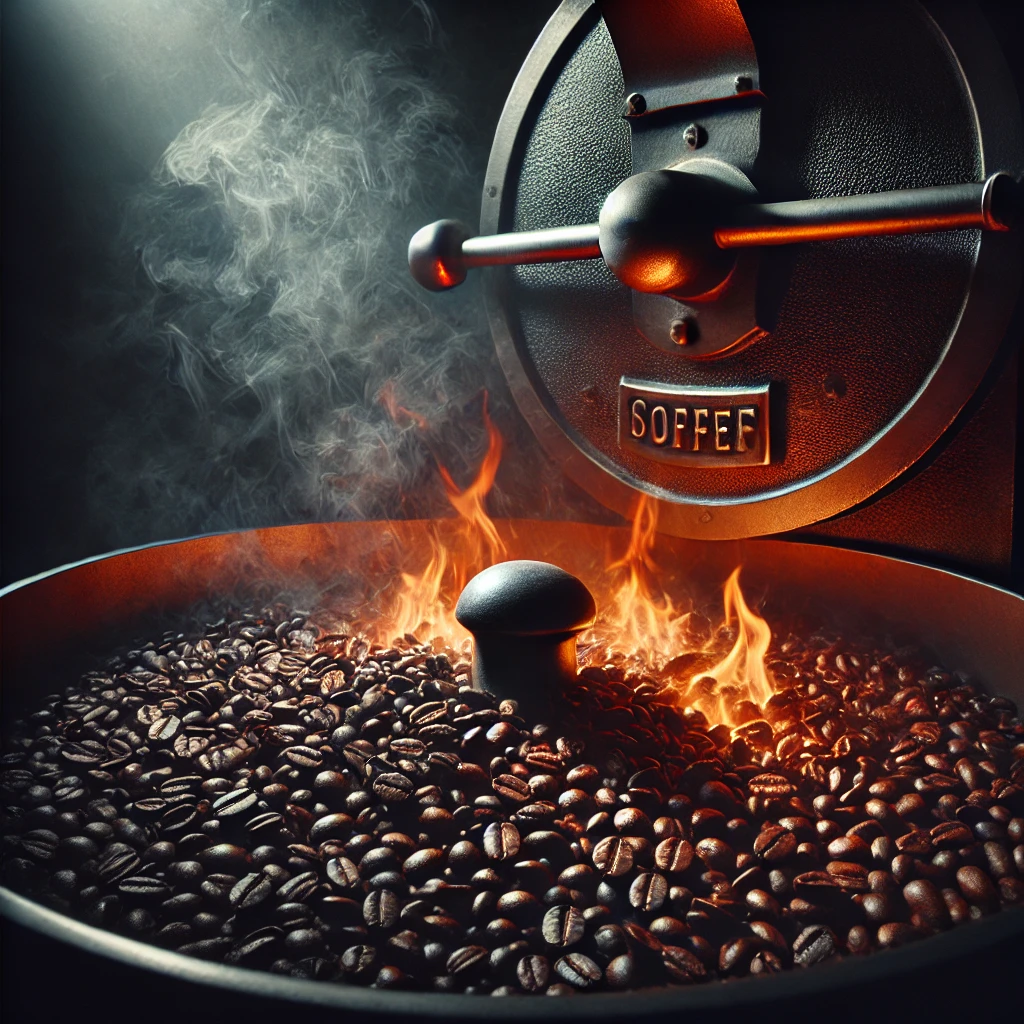
    When raw beans enter the roaster, they’re about to experience more heat than a Norwegian church in the ’90s. The first major transformation happens at what roasters call “first crack” – the moment beans literally scream as they break down and reshape themselves.

    Technical illustration of coffee beans undergoing first crack in a dark roast enthusiasts mug process

    At around 385°F (196°C), the beans hit their first crack, releasing stored energy in a series of sharp pops that sound like a mini mosh pit. This is where the real transformation begins – sugars caramelize, oils develop, and flavors intensify. Your dark roast enthusiasts mug is about to meet its destiny.

    The chemical chaos happening inside each bean would make a chemist headbang in approval: Maillard reactions create hundreds of new compounds, with over 1,000 aroma-active molecules identified in roasted coffee, acids break down, and aromatics develop. According to the Specialty Coffee Association’s comprehensive roasting standards, maintaining precise temperature control through these transformations is crucial for optimal flavor development. It’s basically a chemical mosh pit that turns bland green beans into complex flavor bombs.

    Roast Levels: From Light to Brutal

    Like metal genres, coffee roasts exist on a spectrum of intensity:

    Light Roasts: The pop punk of coffee. Bright, acidic, and still holding onto their original character. They crack once and tap out early, typically around 401°F (205°C). Perfect for your morning pour-over in your inspirational coffee mug while you build up to the heavier stuff.

    Medium Roasts: The sweet spot between light and dark, like melodic death metal balancing brutality with complexity. They’ve survived first crack but haven’t gone full Norwegian black metal yet.

    Dark Roasts: Where true darkness dwells. These beans have endured both first and second crack, emerging with oils on the surface and a color darker than a doom metal guitarist’s soul. They’ve lost their origin characteristics but gained intensity and power.
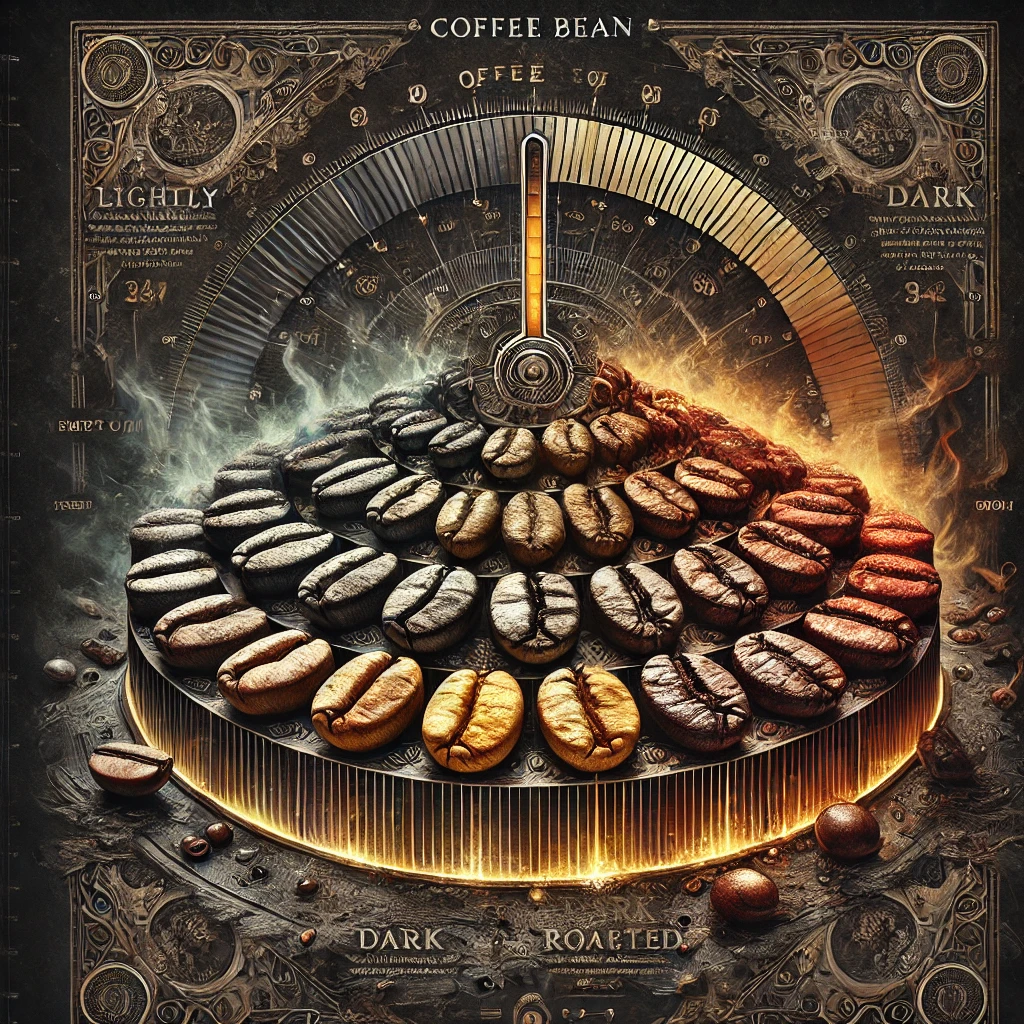
    Coffee roast levels diagram showing progression from light to dark roasts in an inspirational coffee mug setting

    Common Roasting Methods

    Commercial drum roasters are the stadium headliners of the coffee world – big, reliable, and consistent. They tumble beans through heat like a circle pit keeps moving through a breakdown. Hot air roasters are the technical death metal approach – precise, controlled, and all about timing.

    For the DIY crowd, home roasting is like playing basement shows. You can start with a simple heat gun or modified popcorn popper, but be warned – it’s easy to turn your beans into the equivalent of a burned-out amplifier if you don’t know what you’re doing.

    The Art of Controlled Chaos

    Roasting coffee is controlled chaos – push too far and you’ll burn your beans to ash; pull back too early and you’ll be stuck with grassy, underdeveloped flavors. The perfect roast, like the perfect riff, requires timing, technique, and an understanding of your craft.

    Remember: A good roaster is like a skilled sound engineer – they know exactly how to dial in the levels to create something brutal yet balanced. Now go forth and appreciate the darkness in your cup with the knowledge of how it got there.