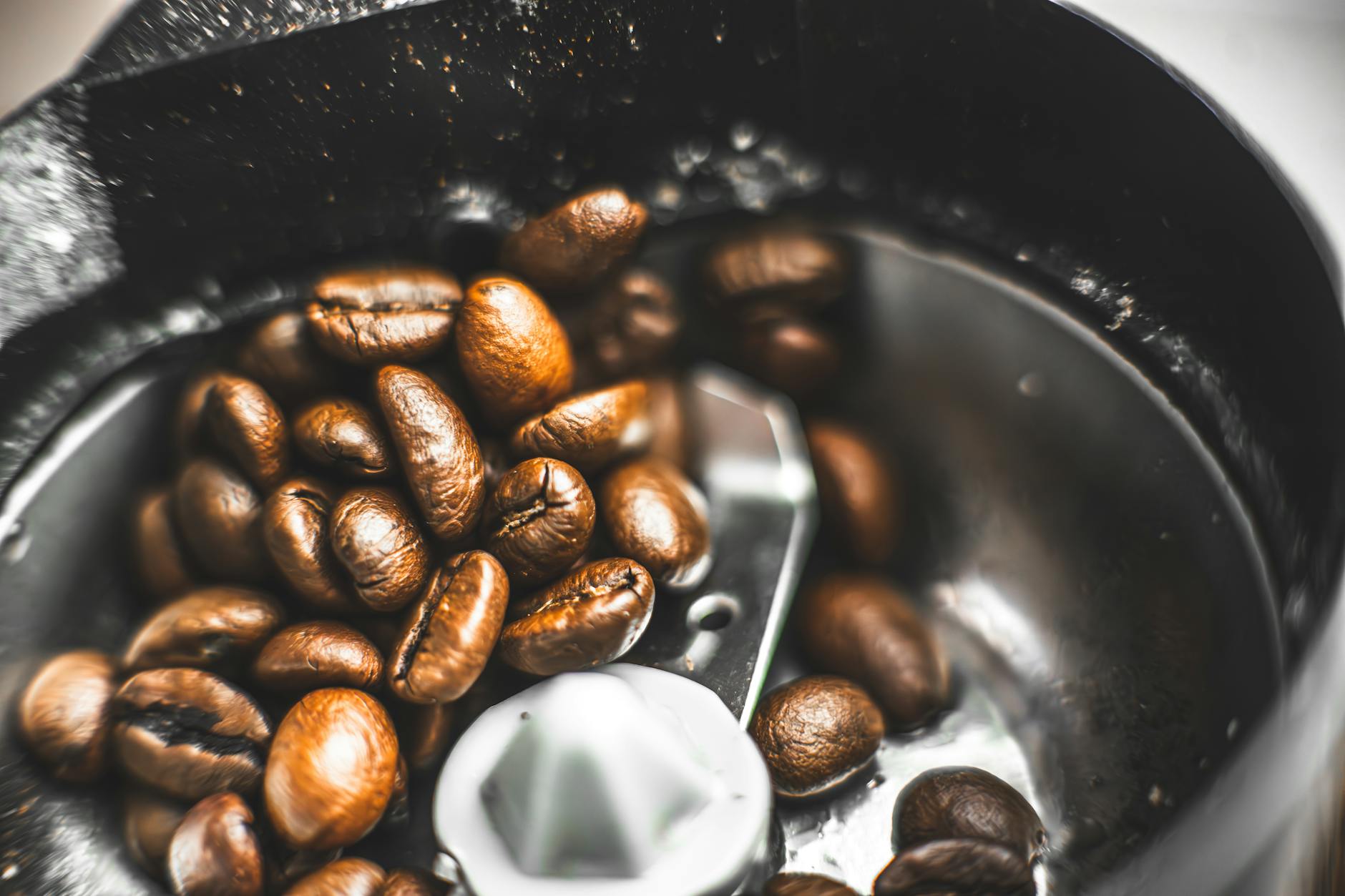
Alright, you caffeine-crazed maniacs, let’s get down to brass tacks. That steaming cup of black gold you clutch every morning… is it your best friend or your worst enemy? The answer, as with most things in this chaotic life, is…complicated.
The Double-Edged Sword of Caffeine
Caffeine, that glorious stimulant, works its magic by blocking adenosine, a neurotransmitter that promotes relaxation and sleep. This leads to increased alertness, improved mood (at least initially), and enhanced cognitive function. Think of it as a short-term performance enhancer, a cheat code for your brain. But like any cheat code, overuse can lead to a world of hurt.
Now, let’s not be all doom and gloom. Moderate caffeine consumption—we’re talking a few cups of coffee a day for most adults—is generally associated with a bunch of health benefits. Studies have linked it to reduced risk of type 2 diabetes, Parkinson’s disease, and even certain types of cancer. But those studies always have asterisks, don’t they? Always that pesky “moderate consumption” caveat. Overdoing it, however, can seriously backfire.
The Dark Side of the Bean
Too much caffeine, my friends, can unleash the kraken. We’re talking anxiety, insomnia, heart palpitations, digestive issues—the whole nine yards. It can also lead to dependence, that sneaky little beast that makes quitting a living hell. Think of it like a death metal riff that sounds awesome at first, but after listening on repeat for 12 hours, you crave silence more than a sweet, sweet caffeine kick. And I mean truly crave silence.
Remember that friend who swears by 10 espressos before a gig? Yeah, that friend needs to chill out. Responsible consumption is key, people. It’s not about how much you can *handle*, it’s about how much you can *control*. Knowing your limits is as vital to your daily life as a well-timed pinch-harmonic in a sick guitar solo. Find your edge, and then back off a bit.
Mythbusting: The Caffeine Legends
Let’s tackle some common misconceptions. First, the idea that caffeine dehydrates you is largely overblown. Harvard’s Nutrition Source states that while caffeine *can* have a mild diuretic effect, the impact is minimal for most people. You don’t need to down a gallon of water for every cup of joe.
Secondly, the whole “caffeine makes you age faster” is another crock. While excessive caffeine can contribute to wrinkles (because of dehydration), it’s not exactly some fountain-of-youth destroyer. Honestly, if you’re worried about aging, focus on diet and exercise, and drink your damn coffee with joy.
Marketing Mayhem: The Coffee Con
The marketing around caffeine is often a clusterfuck. Energy drinks, for example, are often marketed as some kind of miracle cure-all. But they’re often packed with sugar and other nasty additives that negate any potential health benefits. Choose quality over quantity, my friends. And if a company is promising miracles, then be skeptical. The only miracle here is actually the way coffee works with a killer DMM mug. Check out our collection of positive coffee mugs and see what I mean.
The Bottom Line: Grind Responsibly
Listen, caffeine isn’t inherently good or bad. It’s a tool, like a wickedly sharp axe. Used wisely, it can help you conquer your day. Misused, it can chop off your fingers (metaphorically speaking, unless you’re really clumsy).
The key is moderation, awareness, and self-control. Know your limits, respect your body, and enjoy that damn coffee responsibly. Otherwise, you might end up regretting that extra shot of espresso. You’ve been warned.