Month: August 2025

  • Mastering the Art of Coffee Tasting: A Beginner’s Guide

    Mastering the Art of Coffee Tasting: A Beginner’s Guide

    Alright, metalheads and caffeine fiends! Crypto Bro Charlie here, ready to drop some knowledge on you degenerates. Forget chasing the next Lambo-worthy shitcoin for a sec; we’re tackling a different kind of high-octane experience: mastering the art of coffee tasting. Think of it as a moonshot for your taste buds—a journey into the complex and rewarding world of flavor profiles. YOLO, right?

    Unlocking the Aroma: A Nose for Profits

    Before you even take a sip, bruv, engage all your senses. Sniff that coffee like you’re sniffing out a pump-and-dump scheme. Are you catching hints of chocolate? Citrus? Something more…earthy? The Specialty Coffee Association has some killer tips on identifying those subtle nuances—it’s like technical analysis, but for your tongue.

    This ain’t just some hippie-dippy nonsense, either. Understanding aroma is crucial. It’s the first impression, setting the stage for the whole tasting experience. And speaking of impressions, remember that time I almost lost my shirt on that Doge memecoin? Yeah, smells can be deceiving, just like the crypto market.

    Think of it like this: a complex aroma profile is a good indicator of a well-crafted coffee, much like a well-balanced portfolio. Diversity, my friends, is key. You wouldn’t just invest in one shitcoin, would you? Same goes for coffee; you need a diverse range of flavor experiences to truly appreciate the potential of the bean. Grab yourself a coffee mug for book lovers to keep your brew warm while you dive deeper into the world of java.

    The Flavor Profile: Finding Your Next 1000x

    Now for the main event, bruv! The actual taste. This is where it gets really interesting. The Perfect Daily Grind has great guides on this as well. Pay attention to the sweetness, the bitterness, the acidity—all that jazz. Is it fruity? Nutty? Earthy? Spicy? This is where your taste buds become your own personal trading algorithms.

    This isn’t just about identifying flavors, though. It’s about the interplay between them. How do they dance on your tongue? Do they complement each other, creating a harmonious symphony of deliciousness? Or do they clash, like a bad altcoin pairing? The perfect cup is a well-balanced profile—a balanced portfolio for your palate.

    Think about it like this: the flavor profile is the price chart of your coffee experience. You’re looking for those sweet spots, those moments of pure, unadulterated deliciousness. And just like in crypto, sometimes you hit a rug pull—a flavor that doesn’t quite hit the mark. But that’s okay, bruv! It’s all part of the learning process. Learn from your mistakes, adjust your strategy, and keep on sipping!

    Body and Acidity: The Texture of Success

    We’re not just talking taste here, people. The body of the coffee—its texture and mouthfeel—is another crucial element. Is it thick and syrupy, or light and airy? This is the tangible element, the physical sensation that accompanies the flavor explosion. It’s the texture of your gains, bruv! Think smooth, like a steady upward trend. Or maybe it’s gritty, like a bear market.

    Acidity is another beast entirely. It’s not just about sourness; it’s about brightness and liveliness. A good acidity will keep you alert and energized, ready to make the next big trade. Too much, however, and it’s a sour taste, like some really bad news in the crypto space. It can be sharp and intense, or delicate and subtle. It’s all about balance, just like your investment portfolio.

    Mastering the art of coffee tasting is not just about enjoying a good cup of Joe; it’s about understanding how different elements work together to create a truly exceptional experience. It’s akin to the meticulous strategy involved in a successful crypto trade. It’s about knowing your beans, just like knowing your assets.

    Conclusion: Brewtiful Profits

    So, there you have it, bruv! A crash course in coffee tasting, brought to you by your favorite crypto-obsessed death metal head. Remember: whether you’re trading crypto or sipping coffee, it’s all about risk, reward, and the thrill of the hunt. And, of course, having a killer coffee mug for book lovers to enjoy it all from.

    Now go forth, my friends, and conquer the world of coffee—one delicious sip at a time. Stay metal, stay caffeinated, and most importantly, stay degen!
  • The Coffee Bean’s Journey: From Farm to Cup

    The Coffee Bean’s Journey: From Farm to Cup

    Alright, metalheads, coffee fiends, and market maniacs – let’s talk about something that fuels us all: coffee. Not that weak, corporate swill they try to pass off as joe; I’m talking about the real deal, the kind that makes you want to scream your lungs out during a Slayer solo.

    Forget the polished marketing BS. Let’s get down and dirty with the true story of the coffee bean’s journey – a harrowing odyssey from lush farmlands to your steaming mug. It’s a process as brutal and unforgiving as a three-hour death metal set, and just as rewarding.

    From Seed to Harvest: A Farmer’s Life

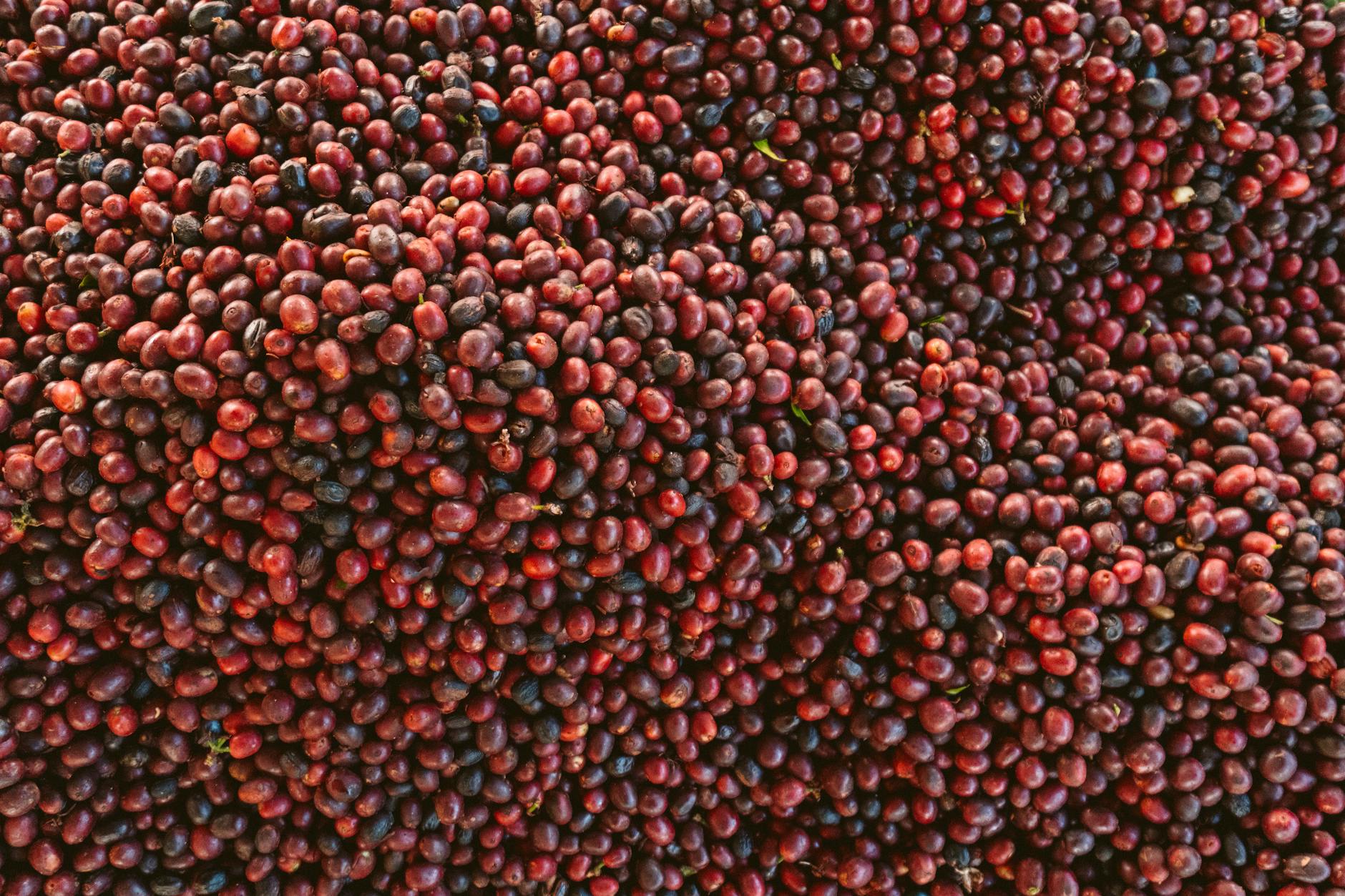
    Think of the coffee cherry, not as some magical fruit, but as a tiny, caffeine-packed grenade ready to explode flavor. Growing these grenades is far from a walk in the park. Farmers face all sorts of challenges, including unpredictable weather patterns, soil erosion, and sometimes, even outright conflict. It’s a hard-knock life, demanding constant effort and dedication.

    The cultivation process itself is a delicate dance of science and sweat. Farmers carefully select seeds, prepare the soil, nurture the seedlings, and tend to the plants, all while battling pests and diseases. It’s not glamorous, but it’s the foundation of everything. Think about that the next time you’re sipping your morning brew.

    And let’s not forget the human element. This isn’t some automated, soulless process. Real people, with real lives and real struggles, are involved every step of the way. The World Coffee Portal offers detailed insights into the lives and challenges of coffee farmers, painting a nuanced picture of this crucial element.

    Processing: The Raw Deal

    Once the cherries are ripe, the real work begins. Harvesting involves careful picking, often by hand. Then comes processing, where the beans are separated from the fruit and pulp. There are various methods – wet, dry, or honey – each imparting unique characteristics to the final product. It’s like crafting a perfectly distorted guitar riff – each step adds to the overall effect.

    This stage is crucial to the final flavor profile. A slight mistake in processing can ruin an entire batch, leaving farmers with a bitter taste in their mouths (and maybe a few choice curses). It takes a keen eye and precise execution. Think of it as fine-tuning your amp before a massive show—it’s all about getting that perfect tone.

    Roasting: From Green to Gold

    Now, the green beans embark on their final transformation. Roasting is an art form, a delicate balancing act between temperature, time, and the type of bean. It’s about coaxing out the unique flavors and aromas that make each coffee so distinct. Getting it right is a skill that takes years to master. This research explores the chemical transformations during roasting which dramatically affect the cup quality.

    Under-roast, and you’re left with a bitter, acidic mess. Over-roast, and you end up with charcoal. Finding that sweet spot is the key to unlocking the true potential of each bean. It’s akin to mastering a particularly tricky guitar solo—one wrong note and the whole thing falls apart.

    And let’s be honest, sometimes you just need a little help to get through the tough bits. For those early mornings, or those times when your coffee isn’t quite cutting it, you might need to add a little something extra… perhaps a little something that only the most depraved of metalheads can truly appreciate. A mug that screams your dark side? Check out our inappropriate funny mugs – because murder is frowned upon, but strong coffee isn’t.

    From Bean to Brew: Your Moment of Triumph

    Finally, the journey ends where it begins – in your mug. But remember, every drop represents a complex process, countless hours of work, and the dedication of individuals who toil under the scorching sun to bring you this liquid gold. It’s a story of grit, resilience, and the pursuit of perfection, all within a chaotic world.

    So the next time you raise a mug of coffee to your lips, take a moment to appreciate the epic journey it’s taken to get there. And remember, even if your morning’s a bit rough, there’s always more coffee. And maybe a little death metal to go with it.

  • Coffee & Culture: A Global Tapestry of Traditions

    Coffee & Culture: A Global Tapestry of Traditions

    Alright, metalheads, coffee fiends, and market maniacs—let’s talk about something heavier than a double bass pedal: coffee culture. Yeah, I know, it sounds…soft. But stick with me, because this ain’t your grandma’s chamomile tea. This is a global tapestry woven with caffeine, tradition, and enough grit to make your teeth rattle. Forget those corporate-flavored swill commercials; this is the raw, unfiltered truth.

    Brewing Up History: A Global Caffeine Fix

    Coffee’s journey from the Ethiopian highlands to your mug is a wild ride. Forget those sanitized corporate histories; this is a story of trade routes, empires, and enough intrigue to fuel a Slayer album. We’re talking centuries of cultural exchange, all fueled by the bitter nectar of the gods. Did you know that coffee played a pivotal role in the Enlightenment? It fueled intellectual discussions and artistic revolutions across Europe—think of it as the original performance-enhancing drug for geniuses. And speaking of fueling geniuses, sometimes you need the right mug to get your creative juices flowing. Grab yourself an inspirational coffee mug to keep the creative fires stoked.

    The Rituals of the Roast: Coffee as Ceremony

    Coffee isn’t just a drink; in many cultures, it’s a ritual, a ceremony, a sacred act. In some parts of the world, sharing a cup of coffee is a social lubricant, forging bonds and strengthening communities. Think of it as the metalhead version of a mead hall—only with more caffeine and less dragon slaying (unless you count that Monday morning meeting). In Yemen, for example, the elaborate preparation and serving of coffee is a deeply ingrained social custom, symbolizing hospitality and respect. The World Coffee Portal offers a fascinating glimpse into the global coffee industry.

    Turkish Delight: Coffee’s Ottoman Empire

    Let’s delve into the rich history of Turkish coffee. This isn’t your drip coffee; it’s a potent brew, steeped in tradition and folklore. The method itself is a performance, a hypnotic dance of bubbling pots and frothing grounds. Forget Starbucks; Turkish coffee is an experience. And honestly, the intricate rituals and symbolism surrounding coffee in Turkey speak to a deeper cultural understanding of the beverage that goes way beyond simple consumption. This is about community, tradition, and shared experiences over a rich, potent brew, a stark contrast to the corporate homogenization we see in mass-produced coffee chains. It speaks volumes about the importance of preserving and celebrating cultural nuances, celebrating the very fabric of a society’s rituals and routines.

    Beyond the Bean: Economic Currents in the Coffee Cup

    Now, let’s talk business. Coffee isn’t just culture; it’s a multi-billion-dollar industry. And like any market, it has its ups and downs, its booms and busts. Understanding the economic forces at play is crucial—especially if you’re a trader like myself. Statista provides detailed insights into various economic indicators related to coffee production and consumption worldwide.

    Trading the Roast: A Market Brew

    I’m not going to lie, the coffee market can be brutal. It’s volatile, unpredictable, and full of surprises. But that’s what makes it exciting, right? The unpredictability is precisely what many traders find alluring, it’s an ongoing challenge, an exhilarating dance with risk and reward. Just like a great death metal riff, it’s all about timing, instinct, and knowing when to strike. However, I’m never one to forget the roots of it all—the cultural context of such a fascinating commodity.

    The Future of the Brew: Maintaining Tradition in a Global Market

    So, what does the future hold for coffee and its rich global tapestry of traditions? The challenge lies in balancing the demands of a global market with the need to preserve cultural authenticity. It’s a delicate balance, a tightrope walk between mass production and handcrafted heritage. It’s about ensuring fairness to the farmers, maintaining the quality of the bean, and preserving the diverse rituals and ceremonies that have shaped our relationship with coffee for centuries. The goal? To ensure the next generation can experience the cultural richness of coffee and continue to build upon these traditions, and not let it turn into a homogenous corporate wasteland—because if there’s one thing we despise at DMM, it’s a watered-down experience.

  • Brewtiful Machines: A History of Coffee Brewing Technology

    Brewtiful Machines: A History of Coffee Brewing Technology

    Let’s be honest, the only thing more brutal than a Slayer riff is a bad cup of coffee. And for years, the quest for the perfect brew has driven innovation as relentlessly as the pursuit of the ultimate death metal breakdown. So, buckle up, coffee-loving metalheads, because we’re about to delve into the brutal history of coffee brewing technology—a history as twisted and complex as a Meshuggah time signature.

    From Simple Beginnings to Espresso Extravaganza

    Think back to the early days—no fancy gadgets, just simple percolators and drip coffee makers, the coffee equivalent of a three-chord punk song. Effective? Sure. But could they *really* compete with the sonic devastation of a Cannibal Corpse album? Nope. These early methods were primitive, but they laid the foundation for the elaborate coffee rituals we indulge in today. Imagine the sheer ingenuity required to even develop the concept of brewing coffee—true pioneers of the bean!

    The Dawn of Pressure: Espresso’s Rise

    Then came the espresso machine, a true game-changer. The invention of the espresso machine fundamentally altered the landscape of coffee culture—introducing the idea of pressure to the process, resulting in a more concentrated and flavorful beverage. It’s like discovering the power of double bass drumming in death metal—pure sonic mayhem. This wasn’t just about making coffee; it was about creating an *experience*. And speaking of experiences, let’s remember what makes a *great* coffee experience: the right mug. Speaking of which, check out our appo deepo bhava coffee mug—the perfect vessel for your espresso-fueled mayhem.

    The Evolution of Grind Size and Brewing Methods

    The grind size, you see, was another crucial factor. From coarse grinds to fine grinds, the consistency of the coffee grounds dramatically affects the brewing process and overall taste. It’s like tuning your guitar—a small adjustment can make all the difference between a killer riff and a total dud. The quest for that *perfect* grind led to the development of sophisticated burr grinders, the precision instruments of the coffee world, a level of detail that would make even the most meticulous metal producer envious.

    Beyond grind size, the actual brewing methods also underwent radical transformations. The rise of pour-over methods, like the Hario V60, showcased a more nuanced approach—like a delicate, melancholic solo amid a brutal metal song—allowing for greater control over variables such as water temperature and flow rate. Each approach demanded skill and precision. It’s a testament to the endless pursuit of perfection, just like bands relentlessly honing their craft to deliver the ultimate auditory assault.

    Modern Marvels and the Future of Brewing

    Today, we have machines that can seemingly do it all, from automatic drip brewers to smart devices that allow you to brew coffee from your phone. This technological advancement has completely reshaped the way we consume and experience coffee. It’s like having a personal army of roadies to set up your coffee before your morning shows.

    And the evolution isn’t over. We’re now seeing innovations like nitrogen-infused cold brew systems and super-automatic espresso machines that almost brew themselves. The future of coffee brewing technology will undoubtedly involve more automation, sustainability and even more ways to fine-tune the coffee process—a relentless march toward ultimate caffeinated perfection, mirroring the ongoing evolution of death metal itself. It’s a constant quest for something better, for something heavier, something more intense. That’s the spirit of DMM.

    But regardless of the brewing method, one thing remains constant: the need for quality beans. Just as a killer metal track needs a solid foundation, your coffee needs top-notch beans. That’s the real foundation of a truly “brewtiful” experience.

    Think about it: from simple percolators to the latest espresso machines, the evolution of coffee brewing has been a testament to humanity’s relentless pursuit of better coffee. It mirrors the relentless pursuit of the perfect riff, the perfect album, the perfect… well, you get the idea. This unending evolution is what truly makes this journey so compelling.

    Now go forth and brew something brutal. Your taste buds (and your soul) will thank you.

    P.S. Don’t forget: appo deepo bhava coffee mug – because even the most advanced brewing tech deserves a worthy vessel.

  • The Caffeine Conundrum: Friend or Foe?

    The Caffeine Conundrum: Friend or Foe?

    Alright, you caffeine-crazed maniacs, let’s get down to brass tacks. That steaming cup of black gold you clutch every morning… is it your best friend or your worst enemy? The answer, as with most things in this chaotic life, is…complicated.

    The Double-Edged Sword of Caffeine

    Caffeine, that glorious stimulant, works its magic by blocking adenosine, a neurotransmitter that promotes relaxation and sleep. This leads to increased alertness, improved mood (at least initially), and enhanced cognitive function. Think of it as a short-term performance enhancer, a cheat code for your brain. But like any cheat code, overuse can lead to a world of hurt.

    Now, let’s not be all doom and gloom. Moderate caffeine consumption—we’re talking a few cups of coffee a day for most adults—is generally associated with a bunch of health benefits. Studies have linked it to reduced risk of type 2 diabetes, Parkinson’s disease, and even certain types of cancer. But those studies always have asterisks, don’t they? Always that pesky “moderate consumption” caveat. Overdoing it, however, can seriously backfire.

    The Dark Side of the Bean

    Too much caffeine, my friends, can unleash the kraken. We’re talking anxiety, insomnia, heart palpitations, digestive issues—the whole nine yards. It can also lead to dependence, that sneaky little beast that makes quitting a living hell. Think of it like a death metal riff that sounds awesome at first, but after listening on repeat for 12 hours, you crave silence more than a sweet, sweet caffeine kick. And I mean truly crave silence.

    Remember that friend who swears by 10 espressos before a gig? Yeah, that friend needs to chill out. Responsible consumption is key, people. It’s not about how much you can *handle*, it’s about how much you can *control*. Knowing your limits is as vital to your daily life as a well-timed pinch-harmonic in a sick guitar solo. Find your edge, and then back off a bit.

    Mythbusting: The Caffeine Legends

    Let’s tackle some common misconceptions. First, the idea that caffeine dehydrates you is largely overblown. Harvard’s Nutrition Source states that while caffeine *can* have a mild diuretic effect, the impact is minimal for most people. You don’t need to down a gallon of water for every cup of joe.

    Secondly, the whole “caffeine makes you age faster” is another crock. While excessive caffeine can contribute to wrinkles (because of dehydration), it’s not exactly some fountain-of-youth destroyer. Honestly, if you’re worried about aging, focus on diet and exercise, and drink your damn coffee with joy.

    Marketing Mayhem: The Coffee Con

    The marketing around caffeine is often a clusterfuck. Energy drinks, for example, are often marketed as some kind of miracle cure-all. But they’re often packed with sugar and other nasty additives that negate any potential health benefits. Choose quality over quantity, my friends. And if a company is promising miracles, then be skeptical. The only miracle here is actually the way coffee works with a killer DMM mug. Check out our collection of positive coffee mugs and see what I mean.

    The Bottom Line: Grind Responsibly

    Listen, caffeine isn’t inherently good or bad. It’s a tool, like a wickedly sharp axe. Used wisely, it can help you conquer your day. Misused, it can chop off your fingers (metaphorically speaking, unless you’re really clumsy).

    The key is moderation, awareness, and self-control. Know your limits, respect your body, and enjoy that damn coffee responsibly. Otherwise, you might end up regretting that extra shot of espresso. You’ve been warned.

  • The Dark Roast Conspiracy: Untangling Coffee Myths and Misinformation

    The Dark Roast Conspiracy: Untangling Coffee Myths and Misinformation

    Alright, you caffeine-addled metalheads, listen up. We’re ripping the lid off the coffee industry’s biggest load of bullshit – the so-called ‘myths’ that keep you chugging down subpar brews and throwing your money away. This ain’t your grandma’s chamomile tea party; this is a full-on mosh pit of truth, served black and bitter, just the way we like it at DMM.

    The Caffeine Conundrum: More Isn’t Always Better

    Let’s start with the elephant in the room – caffeine. Everyone thinks more is better, right? Wrong. While caffeine can certainly provide that much-needed jolt to fuel your day (or your next all-nighter prepping for that crucial stock trade), the truth is far more nuanced. Studies show that excessive caffeine consumption can lead to anxiety, insomnia, and a whole host of other unpleasant side effects. This research from the National Institutes of Health provides a detailed look at the impact of caffeine on the human body. So, before you go chugging that fifth cup of whatever swill you call coffee, remember moderation is key. And hey, if you need a mug to help you remember that, grab yourself a unique coffee mug — we’ve got plenty of designs for the coffee connoisseur.

    Roast Levels: Beyond the Hype

    Now, let’s talk roast levels. The darker the roast, the better, right? Again, WRONG. This is one of those pervasive coffee myths that needs a good, brutal thrashing. Darker roasts often result in a loss of flavor complexity, sacrificing nuanced notes for a bitter, charred taste. It’s like burning your favorite vinyl collection—sure, it’s technically still ‘there’, but the experience is utterly ruined. Light to medium roasts often reveal a wider range of flavors, from fruity and sweet to subtly nutty and complex. Experiment, you metal maniacs, don’t be afraid to break free from the dark roast dogma.

    Health Halo: Coffee’s Not a Miracle Cure

    Coffee is marketed as this magic bullet for everything from increased energy to disease prevention. While some studies suggest potential health benefits like improved cognitive function and a reduced risk of certain diseases, it’s crucial to maintain perspective. Harvard’s nutrition source offers a balanced overview. Coffee is not a cure-all; it’s a damn fine beverage, but it’s not going to magically solve all your problems. A balanced diet and a healthy lifestyle still trump everything else. The whole “coffee cures cancer” thing? More like coffee lets you enjoy life, cancer or not.

    Decoding the Data: Separating Fact from Fiction

    The truth is, the world of coffee research is often muddled by conflicting studies and skewed marketing campaigns. Many studies are funded by the coffee industry itself, leading to biased results and a whole lot of misleading information. So, my advice? Be skeptical. Question everything. Do your own research, and don’t fall for the marketing hype. And when in doubt, drink a damn fine mug of coffee that actually tastes good. Because let’s face it, mediocre coffee is an insult to metal.

    The Bottom Line: Embrace the Brutality of Truth

    So, there you have it—a brutally honest look at the coffee myths we need to smash. It’s time to ditch the dark roast dogma, the caffeine obsession, and the misleading health claims. Embrace the complexity of coffee, experiment with different roasts, and appreciate the nuanced flavors that await you. Your tastebuds will thank you, your wallet will thank you, and the gods of metal will definitely thank you.

    Let’s be clear: I built this brand, DMM, because I’m tired of the corporate bullshit – the weak coffee, the weak marketing, and the weak-minded consumers. This is our bar. This is our rebellion. Drink good coffee. Trade smart. And never, ever, settle for less.

  • Decoding Coffee Aroma: A Sensory Journey

    Decoding Coffee Aroma: A Sensory Journey

    Right, you lot. Let’s talk coffee aroma. Not just the ‘oh, that smells nice’ kind of thing, but the actual, scientifically backed, almost indecently detailed dissection of what makes a coffee smell, well, coffee. I know, I know, even I find myself a bit much sometimes. But trust me, this is more fascinating than my meticulously calibrated water filtration system (which, by the way, uses only non-reactive materials—my sister thinks it’s absolutely bonkers, which is why I’ll probably get her a coffee mug for sister for her birthday, something slightly less…intense).

    The Volatile Truth: Compounds of Coffee Fragrance

    The magic, or rather, the science, lies in the volatile organic compounds (VOCs) released when coffee beans are roasted and brewed. These aren’t some mystical essences; they are measurable, identifiable chemicals that interact to create the complex aromas we adore. Think of it like a symphony of scents, a meticulously orchestrated cacophony of molecules. According to research published in the journal Postharvest Biology and Technology, over 800 VOCs have been identified in roasted coffee, with the exact composition varying wildly depending on factors like bean origin, processing method, and roast level.

    And that’s just the tip of the iceberg. Seriously, I could talk for hours about the individual contributions of esters, ketones, and aldehydes, but I’ll spare you the headache. Let’s just say that the subtle variations in these compounds are what distinguish a bright, citrusy Ethiopian Yirgacheffe from the earthy, chocolatey notes of a Sumatran Mandheling. It’s quite remarkable, really. Even *I* am impressed with nature’s complexity.

    Roast Level: A Crucial Factor in Aroma

    The roast level significantly impacts the aromatic profile of coffee. A light roast, for instance, often preserves more of the bean’s inherent fruity and floral characteristics. As you increase the roast level to medium and then dark, certain compounds break down, resulting in a more pronounced perception of nutty, chocolatey, or even smoky notes. It’s a bit like slowly caramelizing a sugar; the longer you heat it the more complex the flavor profile. It really is an art, almost a science, I’ll happily admit.

    This is why understanding the roast level is crucial. A dark roast, for instance, might mask the subtle nuances of a high-quality bean. Think of it as an aggressive band layering their distortion over intricate melodies—you lose a lot of the finer details. Some might find that bold, full-bodied dark roast appealing; others, like myself, prefer to fully appreciate the subtleties of each individual note.

    Bean Origin and Processing: Terroir and Beyond

    The origin of the coffee beans, their terroir (environmental conditions), and the processing methods employed all play a significant role in shaping their aroma. The World Coffee Research organization has dedicated years to studying these factors, and their findings are quite illuminating. For example, coffee grown at high altitudes often develops more complex flavor profiles due to slower maturation and unique environmental stressors.

    Similarly, different processing methods—washed, natural, or honey—can dramatically influence the aromatic composition. Washed beans tend to have cleaner, brighter profiles, whereas natural processed beans often exhibit fruitier and more intense aromas. Think of it like different styles of music influencing the composition of the overall ‘coffee song’—the bean origin itself acts as the base melody, and the processing method adds the instrumental layer. It’s all about a good blend, really. So many variables! It’s truly endlessly fascinating.

    Elevating Your Coffee Experience

    By understanding the science behind coffee aroma, you can begin to cultivate a more profound appreciation for the subtleties and complexities of this beloved beverage. Pay attention to the nuances, the subtle shifts in fragrance. It’s a truly transcendental and almost spiritual experience. It’s not just about the caffeine; it’s about the complete sensory journey. It’s about noticing those differences, just like you would with a fine wine, or even a really well-aged scotch. But, of course, you already knew that.

    And don’t forget, the right cup matters. You wouldn’t appreciate a truly transcendent coffee experience in just any mug, would you?

  • Beyond the Bean: Coffee’s Role in Global Communities

    Beyond the Bean: Coffee’s Role in Global Communities

    Alright, metalheads and caffeine fiends, let’s talk about something heavier than a double bass drum pedal: the global coffee trade. Yeah, I know, sounds about as exciting as a tax audit, but bear with me. This isn’t your average corporate-speak fluff piece; this is the raw, unfiltered truth, the kind we usually only share after a few beers and a round of Slayer.

    We’re talking about the human stories behind that dark, delicious liquid that fuels our mornings and our mosh… uh, I mean, *intense* coffee-fueled discussions. The reality is, the journey from bean to cup is a complex one, woven with threads of economic disparity, cultural richness, and yeah, even a touch of the good ol’ capitalist free-for-all.

    From Farm to Mug: A Journey of Shadows and Light

    Think about it: that perfectly roasted bean you’re about to grind? It started life in a far-off land, likely grown by hardworking farmers who are often the least compensated folks in the supply chain. This isn’t a new concept. The economic challenges faced by coffee farmers in many developing nations are well-documented, with low prices often leaving them struggling to make a decent living, let alone invest in sustainable farming practices. That’s why movements like Fair Trade are so crucial. They aim to ensure fair prices, protect worker rights, and improve the livelihoods of those who grow our precious beans.

    Now, I’m not preaching some hippy-dippy tree-hugging nonsense. I’m a trader, alright? I know about market forces. But even a hardened stock-market veteran like myself can appreciate the importance of ethical sourcing. And frankly, supporting Fair Trade isn’t just the morally right thing to do; it makes good business sense in the long run. It promotes sustainable practices, ensuring the future of coffee for generations to come. Besides, a world without coffee? That’s a dystopia I’m not ready to face.

    The Cultural Caffeine Kick

    Coffee isn’t just a beverage; it’s a cultural phenomenon. From the bustling cafes of Italy to the traditional coffee ceremonies of Ethiopia, coffee plays a unique and significant role in communities worldwide. It’s a social lubricant, a fuel for creativity, and a source of comfort. Think about it: you’re not just drinking coffee; you’re participating in a centuries-old tradition, connecting with cultures far beyond your own. Makes you appreciate that morning brew a little more, doesn’t it?

    The impact of coffee on local cultures is far-reaching. It creates jobs, supports economies, and drives cultural exchange. In many communities, coffee is the heart of social gatherings, the cornerstone of daily routines, and a vibrant part of the social fabric. It’s the reason we’re all here, huddled around the virtual campfire that is DeathMetalMugs.com, sharing stories and enjoying our morning brew. And let’s be honest, some of us wouldn’t be here without that daily dose of caffeine. I know *I* wouldn’t be.

    Navigating the Complexities of Fair Trade

    While the concept of Fair Trade sounds simple enough – paying farmers a fair price for their product – the reality is much more nuanced. Ensuring fair trade practices isn’t as easy as slapping a label on a bag of beans. It requires a commitment from everyone involved, from the farmers to the roasters to the consumers. It’s about transparency, traceability, and accountability throughout the supply chain. As consumers, we have a role to play. We can actively seek out ethically sourced coffee, supporting companies committed to fair labor practices. Small actions, done collectively, can make a big impact.

    One of the critical aspects of Fair Trade is ensuring worker rights. This involves paying fair wages, providing safe working conditions, and protecting the health and well-being of those involved in coffee production. Fair Trade USA is a good resource for more information on this. It’s about recognizing the dignity and value of human labor, something we can all relate to, right?

    And let’s not forget the environmental impact. Sustainable farming practices are key to preserving the environment for future generations. It’s a delicate balancing act, and we all need to play our part in ensuring that the coffee we consume is sourced responsibly. Just like we need to manage our risk in the markets, we need a sustainable approach to ensure the future of the coffee industry. I’m not just talking about financial stability; I’m talking about the long-term health of an entire industry. A collapse in coffee production? Now *that’s* a black swan event we want to avoid.

    Investing in a Better Brew

    So, what does all this mean for you, the discerning coffee drinker and Death Metal Mugs aficionado? It’s pretty simple, really. By making conscious choices about the coffee you buy, you’re supporting farmers, protecting workers, and contributing to a more sustainable industry. It’s about choosing to drink coffee that aligns with your values, not just your taste buds. And if you’re looking for a perfect mug to enjoy your ethically sourced brew, may I suggest our awesome bitcoin mugs?

    Look, I’m not saying you need to become a Fair Trade expert overnight. But a little awareness goes a long way. Do a little research, support brands that prioritize ethical sourcing, and enjoy your coffee knowing you’re making a positive impact. And remember: every sip is a small step towards a better world, one caffeine-fueled revolution at a time. Now, if you’ll excuse me, I’ve got blueberry muffins to bake and a market to conquer.

  • From Seed to Sip: A Sustainable Future for Coffee?

    From Seed to Sip: A Sustainable Future for Coffee?

    Let’s be real, folks. We at Death Metal Mugs aren’t just about skull-crushing riffs and caffeine-fueled trading frenzies. We’re about the whole damn picture. And that picture includes making sure our beloved brew doesn’t come at the expense of the planet. So, let’s get down to the dirt – or should I say, the soil – and talk about sustainable coffee.

    The Bitter Truth About Coffee’s Carbon Footprint

    The coffee industry, much like a relentless blast beat, leaves its mark. We’re talking deforestation, water depletion, and pesticide use that would make a Slayer concert look tame. According to a report by the IUCN, coffee production contributes significantly to greenhouse gas emissions and biodiversity loss. This isn’t some eco-warrior fantasy; it’s a cold, hard fact we need to confront if we want to keep enjoying that morning jolt without feeling like total bastards.

    Think about it: the process, from bean to cup, is a brutal cycle of exploitation. Many farmers, the backbone of this whole operation, barely make enough to survive. It’s a system that’s as broken as your ex’s promises – and we need to fix it. But fear not, metalheads; this isn’t a sermon; it’s a call to arms, a battle cry for a sustainable future. And trust me, we’ll fight for our coffee like we fight for the last slice of pizza at 3 AM.

    Sustainable Solutions: More Than Just Fair Trade

    Fair Trade is a good start, but it’s not a magic bullet. We need a more comprehensive approach, a full-on mosh pit of innovative solutions. One key area is shade-grown coffee. Unlike sun-grown coffee, which often requires deforestation to create large, monoculture plantations, shade-grown coffee preserves existing forests and supports biodiversity. It’s like the ultimate natural reverb for your morning brew. It also helps improve soil quality and water retention – less of a carbon footprint, more of an ecological symphony.

    Another crucial aspect is reducing pesticide use. Organic farming practices are gaining traction, and rightfully so. We need to minimize chemical runoff that poisons waterways and harms wildlife. Remember, friends, this is about our ecosystem, the thing that fuels our very existence, much like our reliance on caffeine to stay alive. I mean, what kind of headbangers would we be if we didn’t prioritize the things that keep us going?

    Then there’s the issue of water usage. Coffee is a thirsty crop, and efficient irrigation techniques are paramount. Drip irrigation, for example, minimizes water waste. It’s precise, almost surgical. Think of it as a precise, controlled blast of water—a much better way to hydrate our coffee plants than just dumping gallons of the stuff.

    The Role of the Consumer: Power to the People (and the Planet)

    This isn’t just on the farmers and the corporations, metalheads. We, the consumers, play a crucial role. By choosing sustainably sourced coffee, we send a message. We vote with our wallets, demonstrating a demand for responsible practices and supporting those who make it right. We’re not just drinking coffee; we’re building a better future, one sip at a time.

    So, what can you do? First, educate yourself. Read labels, ask questions, support companies that prioritize sustainability. Don’t be a sheep; be a discerning consumer, a metalhead with a conscience. Secondly, be mindful of your consumption habits. Remember, less waste equals less impact, so get rid of those single-use plastic cups. Find something reusable and durable. If you are going to have a killer coffee, let’s be responsible and show some dignity.

    And let’s not forget about reducing waste. I mean, if you’re truly committed to the cause, you’ll probably want a mug that is as durable as your love for coffee and your commitment to sustainable practices. Might I suggest our crazy coffee mugs? They’re built to last, and they’re absolutely rad. Plus, every purchase helps support our mission to brew up a better world. The choice is yours. Don’t be a poser.

    Investing in a Sustainable Future

    This is more than just ethical consumption; this is investing in our collective future. A sustainable coffee industry means stable livelihoods for farmers, thriving ecosystems, and a continued supply of that essential brew that fuels our daily grind (and our epic trading strategies). The future of coffee and a healthy planet are intertwined and it is a matter that we must focus on. What good is having tons of bitcoin if the planet is uninhabitable? That’s what I call a true market crash.

    Look, even your crypto coffee mugs will be worthless in a dying world, am I right? Let’s face it, the world is on fire. So let’s pour ourselves some sustainably-sourced coffee and figure out a way to stop this disaster.

    We can’t let our love for coffee be a death sentence for the planet. A sustainable future is not just a dream; it’s a battle we must fight and win—with the same ferocity and determination we bring to the pit. So raise your mugs high, my metal brothers and sisters, to a future where the coffee flows freely and the planet stays alive. And may your trades always be as profitable as your caffeine intake.

    We’ve got a long road ahead. But, as we say around here: Check out this report from the FAO about the impact of coffee production on the environment. But hey, at least we’ve got great coffee, right? Cheers!

  • The Unexpected Alchemy of Coffee: How Chemistry Creates Your Perfect Cup

    Let’s face it, folks. We’re not just drinking coffee; we’re conducting a low-key, caffeinated experiment every single morning. This ain’t some hippie-dippy, crystal-healing bullshit; this is hard science, the kind that fuels our trading strategies and keeps us awake for those 3 AM stock charts. We’re talking about the unexpected alchemy of coffee—the brutal chemistry that transforms humble beans into that dark, delicious nectar of the gods (or, you know, just really, really good mornings).

    Forget the fairy tales about mystical origins. We’re going deep into the chemical reactions, understanding how different brewing methods impact extraction and flavor profiles. This isn’t some corporate-approved, feel-good fluff; this is raw, unfiltered coffee truth, and it’s about to blow your mind. Grab your metalhead coffee mug, because we’re about to get nerdy.

    The Bean Scene: Chemistry’s Starting Point

    Coffee beans, before they’re even roasted, are complex chemical cocktails. They’re packed with hundreds of volatile compounds that contribute to the aroma and flavor. We’re talking acids (like citric and malic), sugars, caffeine (the good stuff), and a whole host of other organic compounds. It’s like a chaotic symphony of molecules, just waiting to be unleashed.

    The roasting process is where the real magic happens—or, more accurately, the real chemistry. Heat triggers a cascade of reactions, transforming the bean’s chemical makeup. Think of it like forging metal—the heat changes the structure, resulting in entirely new properties. The longer you roast, the darker the bean, and the more complex the flavor profile becomes.

    Brewing Battles: The Extraction Equation

    Now that we’ve roasted our beans to perfection, it’s time to brew. And this is where it gets really interesting. Different brewing methods yield drastically different results, all thanks to the chemistry of extraction. A French press, for example, extracts more oils and sediment, giving the coffee a fuller, more robust flavor. A pour-over, on the other hand, allows for more control over the water temperature and flow, leading to a cleaner, brighter cup. You wouldn’t believe the impact a few degrees of temperature difference can have on the entire chemical equation.

    Water temperature is key here. Too hot, and you risk bitterness from over-extraction; too cold, and you’ll end up with a weak, sour brew. This is where you might say that perfect brewing is an art form—but it’s truly a science honed by careful experimentation. If you’re serious about getting the best out of your beans, you’ll need to learn this equation like the back of your hand.

    And let’s not forget grind size! The surface area of the ground beans plays a vital role in how quickly the water extracts flavor compounds. Too fine, and you risk over-extraction and bitterness. Too coarse, and you’ll get a weak, under-extracted cup. It’s a delicate balance, much like juggling chainsaws and a perfectly brewed cup of coffee.

    The Final Cup: The Symphony of Flavor

    The final cup is the culmination of all those chemical reactions. The interplay of acids, sugars, and volatile compounds creates the unique flavor profile of your coffee. It’s a dynamic balance; understanding how each factor influences this balance empowers you to craft the perfect cup—or the perfect nope coffee mug to fill with said perfect cup.

    Some might call it witchcraft, but we know better. It’s science. And that’s what makes it truly wicked.

    And this isn’t just about making good coffee. It’s about understanding and mastering a process. The ability to take raw materials and transform them, using the right techniques and the right knowledge, is a valuable lesson that translates to everything we do here at DMM, whether we are roasting beans or building a successful business. It’s about control. The ability to predict an outcome, to manage variables, and to create something powerful and meaningful. This is the underlying principle of all successful endeavors, from brewing the perfect cup to crushing it in the markets.

    This is the kind of knowledge that gives you an edge. An edge in understanding the world around you. A deeper appreciation for the complexities of seemingly simple things. And who knows, this newfound knowledge might even help you predict the next market shift. Now go forth and brew. And don’t forget to tell everyone how you’re using science to make the perfect cup.

    Learn more about the chemical components of coffee from this National Center for Biotechnology Information article. It’s a little dense, but trust me, it’s worth the read.

    For a more casual overview of coffee chemistry, check out this article from Real Coffee. And remember, this is more than just a brew; it’s a rebellion against weak coffee and weak attitudes.